
Summer in Arkansas puts a roof through intense heat, sudden thunderstorms, and high humidity. By the time September arrives, small problems have often grown into real vulnerabilities. Fall brings falling leaves, heavier rain, and the first cold snaps that can turn a minor leak into interior water damage. Completing roof maintenance before fall gives you time to schedule repairs while contractors still have open availability. It also protects your attic, insulation, and ceilings before wet weather sets in. Homeowners in Bentonville, Rogers, Fayetteville, and across Northwest Arkansas benefit from a simple late summer checklist. This guide covers the roof maintenance tasks that matter most before fall, why each one protects your home, and when to bring in a professional. A few hours of attention now can prevent thousands of dollars in damage later.
Essential Roof Maintenance Tasks Every Homeowner Should Finish Before Fall
The weeks before fall are the best window on the calendar for roof maintenance. Summer storm damage is already done and visible; winter weather has not yet arrived to make it worse. The most important tasks include cleaning gutters and downspouts, inspecting shingles for damage, checking flashing and roof penetrations, and clearing debris from the roof surface. Each task addresses a specific way water finds its way into your home. Skipping even one leaves a gap in your protection. Need a professional set of eyes on your roof before fall? Click here for our roofing services and schedule a free inspection.
Gutter Cleaning Is the First Roof Maintenance Task to Complete Before Fall
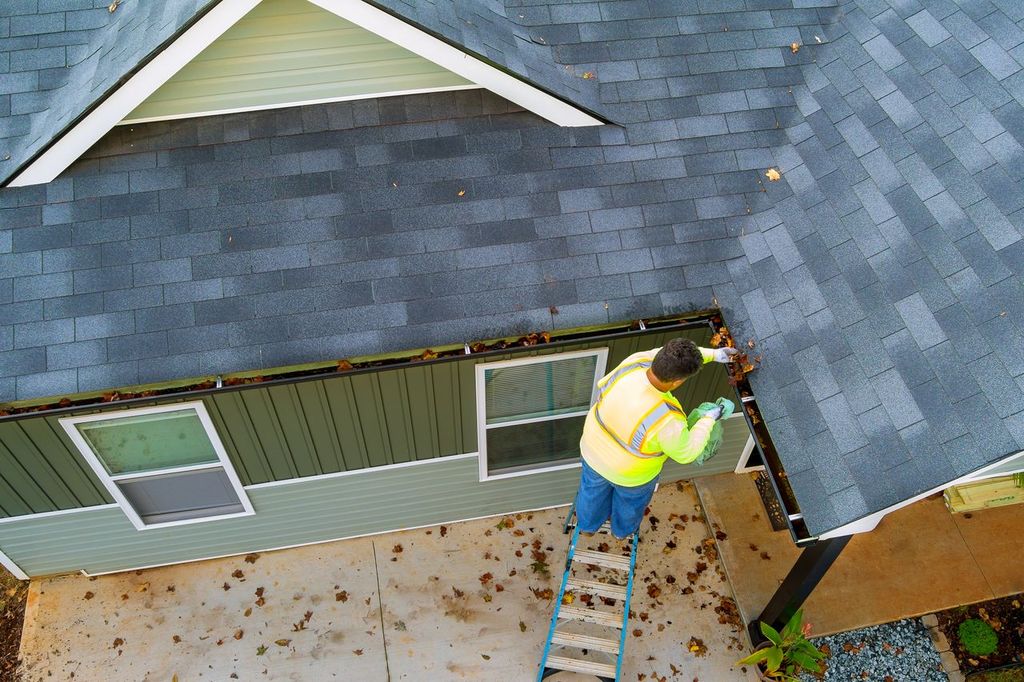
Gutters exist for one reason: to move water off your roof and away from your foundation. When they clog with leaves, shingle granules, and debris, water backs up under the edge of your roofline. That trapped water soaks the fascia boards, rots the roof decking, and can seep into your attic. In Arkansas, oak and maple trees start dropping leaves early, so gutters that are clean in July can be packed by October. Cleaning them in late summer gives you a fresh start before the heavy leaf drop begins. It also lets you spot sagging sections, loose hangers, and separated seams while repairs are still easy. A gutter that pulls away from the house by even an inch can dump water directly against your siding. Fixing that now costs far less than replacing rotted trim later.
Start by removing large debris by hand or with a scoop, then flush the gutters with a hose. Watch how the water flows toward the downspouts; slow drainage usually means a hidden clog. Downspouts should discharge water at least four to six feet away from your foundation. If water pools near the house, add extensions before fall rains arrive. While you work, check for granules from asphalt shingles collecting in the gutter troughs. Heavy granule loss is a sign your shingles are aging and may need professional evaluation. Look at the gutter fasteners as well, since summer heat can loosen screws and spikes. Tighten anything that moves when you apply light pressure.
Safety matters during gutter cleaning more than most homeowners realize. Ladder falls are one of the most common home maintenance injuries in the country. Always place your ladder on firm, level ground and keep three points of contact. Never lean sideways to reach a far section; climb down and move the ladder instead. Two story homes, steep landscaping, and roofs with multiple levels make this job risky for the average person. If your gutters sit high or your property has difficult access, hire a professional crew. Toro Construction can handle gutter checks as part of a full roof inspection. One visit covers your gutters, shingles, and flashing at the same time.
Shingle Inspection Is a Critical Roof Maintenance Task Before Fall Arrives
Asphalt shingles take a beating during Arkansas summers. Temperatures on a dark roof surface can exceed 150 degrees, which causes shingles to expand, contract, and eventually crack. Hail from spring and summer storms leaves bruises that are hard to see from the ground but weaken the shingle mat. Before fall, walk your property and look at the roof from every angle with binoculars. Search for shingles that are curling at the edges, cupping in the middle, or missing entirely. Dark streaks can indicate algae growth, while bare spots reveal granule loss that exposes the asphalt underneath. Pay close attention to the areas around valleys, ridges, and roof edges. These zones handle the most water flow and fail first.
Missing or damaged shingles create direct paths for water into your roof system. A single lifted shingle lets wind driven rain slide underneath and soak the underlayment. Over weeks, that moisture reaches the decking, and rot begins quietly. By the time a stain appears on your ceiling, the damage above it is usually extensive. Fall storms in Northwest Arkansas often bring strong winds that peel back shingles already loosened by summer heat. Replacing a handful of damaged shingles in August is a small, affordable repair. Waiting until a November leak means dealing with wet insulation, drywall repair, and possible mold remediation. The math always favors early action.
Homeowners can spot obvious problems, but a trained roofer sees what you cannot. Professionals check shingle seal strips, nail placement, and the condition of the underlayment at vulnerable points. They also identify hail damage that qualifies for insurance claims, which many homeowners miss entirely. Toro Construction offers free roof inspections with honest recommendations, so you know exactly what your roof needs before fall. There is no pressure and no guesswork, just a clear report on your roof’s condition. If repairs are needed, you get a straightforward plan and timeline. If your roof is in good shape, you get peace of mind heading into storm season. Want that peace of mind before the leaves start falling? Click here to schedule a free roof inspection in Bentonville.
Flashing and Roof Penetration Checks Complete Your Pre Fall Roof Maintenance
Flashing is the thin metal installed around chimneys, vents, skylights, and roof valleys. Its job is to seal the joints where the roof surface meets a vertical structure or another roof plane. These transition points are where most roof leaks actually begin, not in the middle of a shingle field. Summer heat causes flashing to expand and contract daily, which loosens fasteners and cracks sealant over time. Before fall, examine every penetration on your roof for gaps, rust, lifted edges, and dried or cracked caulk. Chimney flashing deserves extra attention because it involves multiple pieces working together. Even a small separation between the flashing and the masonry lets rain run straight down into your attic. Catching it early means a simple reseal instead of a major repair.
Pipe boots are another common failure point that homeowners overlook. These rubber gaskets seal the plumbing vent pipes that stick up through your roof. Arkansas sun degrades the rubber, causing it to crack and split within seven to ten years. A failed pipe boot is one of the most frequent leak sources roofers find on service calls. The fix is inexpensive, but the damage from ignoring it is not. Check each boot for visible cracks, gaps around the pipe, and brittleness. Skylights need the same scrutiny, since their seals and surrounding flashing wear out on a similar schedule. Any penetration that looks questionable should be sealed or replaced before fall rains test it.
Roof valleys collect and channel more water than any other part of the roof. Leaves and debris that settle in valleys hold moisture against the shingles and metal. Clear all debris from valleys as part of your pre fall maintenance routine. Trim back tree branches that hang within six feet of the roof surface. Overhanging limbs drop debris constantly, scrape shingles in the wind, and give squirrels a bridge to your roofline. Also confirm that attic ventilation is unobstructed, since ridge vents and soffit vents keep moisture from building up inside. Poor ventilation shortens shingle life and encourages condensation during cool fall nights. A professional inspection covers all of these details in a single visit.
How Fall Weather in Arkansas Damages Roofs Without Proper Maintenance
Fall in Northwest Arkansas is beautiful, but it is hard on roofs that enter the season with existing problems. Average rainfall increases through October and November, and cold fronts bring gusty winds that exploit loose shingles. Falling leaves clog gutters and valleys within weeks, trapping moisture against roofing materials. Temperature swings between warm afternoons and cold nights stress sealants and flashing. Any weakness left over from summer becomes an entry point for water. Understanding these seasonal threats explains why pre fall maintenance is not optional for Arkansas homeowners. It is the difference between a dry winter and an expensive one.
Fall Rain Exposes Every Roof Maintenance Task You Skipped
Rain is the ultimate inspector of your roof. Every gap, crack, and clogged gutter gets tested when a slow, soaking fall rain settles over Benton and Washington counties. Unlike summer thunderstorms that pass in an hour, fall systems can drop steady rain for a full day or more. That extended exposure gives water time to find paths that a quick storm never reveals. A hairline crack in a pipe boot might shed a brief downpour but fail during six hours of steady rainfall. Saturated debris in valleys wicks moisture under shingle edges. Clogged gutters overflow, sending sheets of water down your siding and into your foundation. Each of these failures traces back to a maintenance task that was never completed.
Water damage from roof leaks rarely stays contained to one spot. Moisture travels along rafters and decking before dripping onto insulation, so the ceiling stain you see is often several feet from the actual leak. Wet insulation loses its effectiveness and drives up heating bills just as cold weather arrives. Prolonged moisture in the attic feeds mold growth, which creates health concerns and remediation costs. Drywall, paint, and flooring below the leak all become casualties over time. What started as a fifty dollar shingle repair becomes a multi thousand dollar restoration project. Homeowners who complete maintenance before fall almost never face this chain reaction. Prevention is genuinely cheaper in roofing, every single time.
If water has already found its way inside your home, speed matters more than anything. The first 24 to 48 hours determine how far the damage spreads and how much can be saved. Toro Construction is IICRC certified for professional water restoration and offers 24/7 emergency service across Northwest Arkansas. Our team handles both the roof repair and the interior restoration, so you deal with one company instead of three. That single point of accountability keeps the project organized and the timeline reliable. Dealing with a leak right now? Click here for our water restoration services and get help today.
Fall Wind and Temperature Swings Demand Roof Maintenance Before the Season Starts
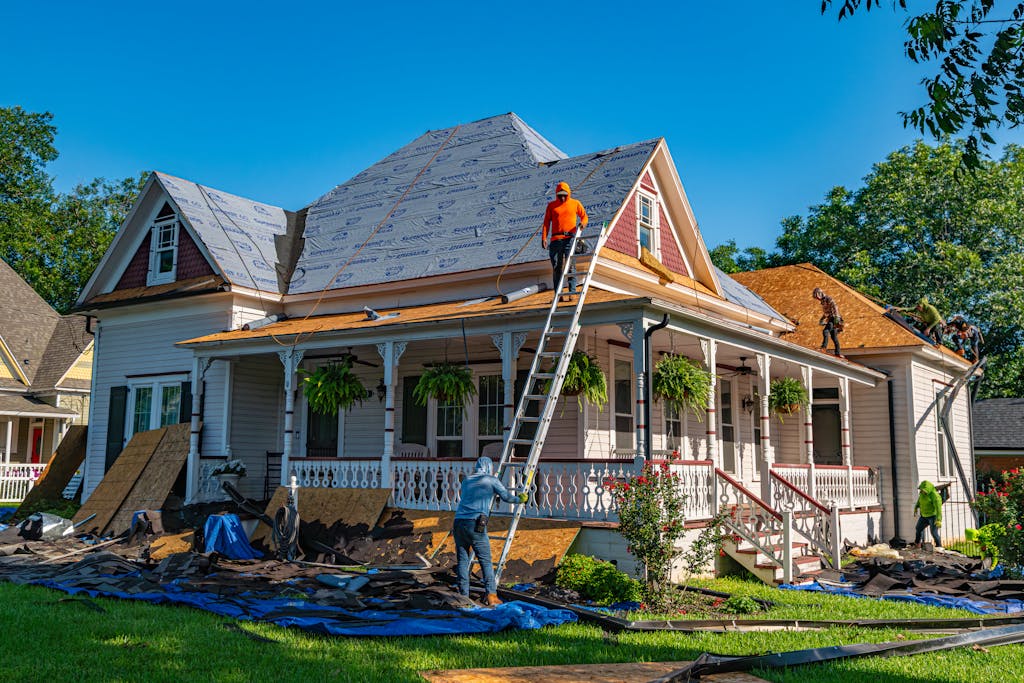
Cold fronts in October and November bring some of the strongest straight line winds of the year to Arkansas. Gusts of 40 to 50 miles per hour are common as these systems push through. Shingles with weakened adhesive seals lift in these winds, and once a shingle lifts, it rarely reseals on its own. Each subsequent gust works the shingle looser until it tears away completely. The exposed underlayment and nail holes left behind become immediate leak points. Shingles at roof edges, rakes, and ridges face the highest wind pressure and fail first. A pre fall inspection identifies unsealed shingles so they can be hand sealed or replaced before the wind finds them. This one task prevents the majority of fall storm damage calls.
Temperature swings create a slower but equally destructive form of stress. A sunny fall afternoon in Bentonville can reach 75 degrees while the overnight low drops near freezing. Roofing materials expand in the warmth and contract in the cold, cycling daily for weeks. This constant movement fatigues sealants, opens gaps at flashing joints, and loosens nails. Caulk that was flexible in summer becomes brittle and cracks. Metal flashing pulls away from chimneys and walls in tiny increments. None of this is visible from the ground, which is why professional inspections catch problems homeowners never see. Fresh sealant applied before fall stays flexible through the temperature cycling ahead.
Attic ventilation and insulation also deserve attention before cold weather arrives. Warm indoor air rising into a poorly ventilated attic meets cold roof decking and condenses into moisture. That condensation drips onto insulation and framing, mimicking a roof leak even when the roof itself is sound. Proper ridge and soffit ventilation keeps attic air moving and dry. Checking ventilation is a standard part of a quality roof inspection. Blocked soffit vents, often stuffed with insulation or debris, are a common and easy fix. Addressing airflow now protects your roof structure all winter. It also extends shingle life by keeping the roof deck at a stable temperature.
Falling Leaves and Debris Make Fall Roof Maintenance an Ongoing Priority
Northwest Arkansas is covered in mature hardwoods, and those trees drop an enormous volume of leaves between late September and November. Leaves that land on your roof do not simply blow away. They collect in valleys, behind chimneys, and around vents, forming wet mats that hold moisture against your shingles for weeks. Constant moisture breaks down asphalt shingles, feeds moss and algae growth, and accelerates rot in any exposed wood. Debris also dams the natural flow of water, forcing it sideways under shingle courses. Completing a thorough roof cleaning before fall gives you a clean baseline. It also makes mid season touch ups faster and easier.
Gutters face the heaviest burden during leaf season. A gutter system cleaned in August can clog again by late October in a heavily wooded neighborhood. Plan on at least one additional cleaning after the main leaf drop finishes. Gutter guards are worth considering for homes surrounded by trees, since they dramatically reduce cleaning frequency. Overflowing gutters in fall lead directly to foundation problems, eroded landscaping, and ice dam formation once winter arrives. Ice dams form when trapped water freezes at the roof edge and forces melting snow back under the shingles. The clogged gutter you ignore in October becomes the ice dam that floods your ceiling in January. Staying ahead of debris breaks that chain.
Tree maintenance is roof maintenance, even though most homeowners separate the two. Branches hanging over the roof drop the most debris and pose the greatest storm risk. A dead limb that falls during a fall wind event can puncture decking and destroy shingles instantly. Trim any branches within six feet of the roof and remove dead limbs anywhere near the house. This work also improves sunlight exposure on the roof, which helps it dry faster after rain. Squirrels and raccoons lose their easy access route to your roofline as a bonus. Schedule tree work before fall storms, not after one drops a limb through your shingles. Proactive trimming is one of the highest value maintenance tasks available.
Why You Need a Professional Roof Inspection Before Fall
Homeowner maintenance covers the basics, but a professional inspection catches what you cannot see from a ladder or the ground. Trained roofers evaluate shingle seals, flashing integrity, decking condition, and ventilation performance in a single visit. They document hail and wind damage properly, which matters enormously for insurance claims. An inspection before fall means any needed repairs happen in good weather, on your schedule, before storm season backlogs every contractor in the region. Toro Construction offers free roof inspections with honest recommendations throughout Northwest Arkansas. There is no cost to know exactly where your roof stands.
A Professional Roof Inspection Before Fall Finds Hidden Damage Early
Most serious roof problems start invisibly. A nail that backed out a quarter inch, a shingle seal that released, a flashing joint that opened slightly; none of these show from the ground. Professional roofers walk the roof and inspect it section by section with trained eyes. They press on decking to find soft spots that indicate hidden rot. They check attic spaces for daylight, water staining, and moisture that signal active leaks. Finding these issues in September means simple repairs instead of emergency calls in December.
Hail damage is the most commonly missed problem in Arkansas. Spring and summer storms leave bruising on shingles that homeowners rarely notice. That bruising fractures the shingle mat and shortens its life significantly. Insurance policies typically require claims within a set window after the storm date. A professional inspection documents this damage with photos and detailed notes before your claim window closes. Many homeowners have received full roof replacements through insurance because an inspector caught damage they never knew existed.
Early detection also protects your warranty coverage and your home’s value. Manufacturer warranties often require documented maintenance, and neglect can void coverage. A clean inspection report is valuable documentation if you ever sell your home. Buyers and their inspectors look hard at roof condition, and known issues become negotiation leverage against you. Staying ahead of problems keeps your biggest investment protected. It costs nothing to schedule and could save you thousands.

Scheduling Roof Repairs Before Fall Beats Waiting for Storm Season
Contractor availability follows the weather in this industry. When the first major fall storm hits Northwest Arkansas, every roofing company’s phone rings at once. Emergency repairs jump to the front of the line, and routine work gets pushed back weeks. Homeowners who waited find themselves living under tarps while the schedule clears. Booking an inspection and repairs in late summer means your project happens promptly. You choose the timing instead of the weather choosing it for you.
Repair quality also benefits from good weather. Shingle adhesives seal properly in warm temperatures, and sealants cure correctly on dry days. Crews work more efficiently and safely on dry roofs with long daylight hours. Cold weather installations require extra steps and sometimes special materials. Fall and winter rain delays stretch simple projects across multiple weeks. A repair completed in August or September is a repair done under ideal conditions.
Budgeting is easier when you act early too. Planned repairs let you compare options, ask questions, and make informed decisions without pressure. Emergency repairs happen fast, often at premium pricing, with whatever contractor is available. Toro Construction offers financing options for larger projects, which is easier to arrange on a planned timeline. Spreading the cost of a significant repair or replacement keeps your budget intact. Early action puts every advantage on your side.
Why Choose Toro Construction for Your Pre Fall Roof Maintenance
Toro Construction has served Arkansas homeowners since 2002, bringing more than 20 years of experience to every roof. We are licensed and insured in Arkansas, so your property and our crews are fully protected. Our team handles residential and commercial roofing with high quality materials and proven installation methods. Qualifying projects come with a 20 year craftsmanship warranty that stands behind our work long after the crew leaves. We are based right here in Bentonville and serve Rogers, Fayetteville, Springdale, Bella Vista, and communities across Northwest Arkansas. This is our home too, and we treat every roof like it belongs to a neighbor.
We are one team for roofing, restoration, and remodeling, which matters when problems overlap. A roof leak that damaged your ceiling gets fixed inside and out by the same company. Our IICRC certification means water restoration is handled to professional industry standards. Fire restoration is managed by experienced professionals who understand the full recovery process. You get strong communication from start to finish, with reliable timelines and organized project management. One call covers everything, and one team stays accountable for the result.
Our free roof inspections come with honest recommendations, not sales pressure. If your roof only needs minor maintenance, that is exactly what we will tell you. If it needs more, you get a clear explanation, transparent pricing, and a realistic schedule. We offer 24/7 emergency service for storm damage because roof problems do not wait for business hours. Financing options are available for larger projects to keep quality work within reach. Call Toro Construction at (479) 877-7121 or email info@toroconstructionco.com to schedule your free inspection before fall arrives.