
Homeowners across Bentonville often ask one practical question before scheduling service: how long a roof inspection actually takes from start to finish. The honest answer depends on roof size, pitch, material, and the condition of the existing system, but most professional roof inspections run between 45 minutes and two hours. A thorough roof inspection covers far more than a quick walk on the shingles; it includes attic checks, flashing reviews, gutter assessments, and detailed documentation. Spring storm season in Arkansas makes this question even more important, since hail and high winds create hidden damage that only a trained roofer can spot. Knowing the timeline helps you plan your day, prepare your property, and set realistic expectations for the report you receive afterward. Toro Construction has performed thousands of roof inspections across Northwest Arkansas, and the process is designed to be efficient without cutting corners. The goal is simple: deliver a complete picture of your roof’s health while respecting your time.
What Determines How Long a Roof Inspection Takes
Several factors influence the total time a roof inspection requires, and understanding them helps homeowners plan accordingly. Roof size is the most obvious variable, since a 1,500 square foot ranch home takes far less time than a 4,000 square foot two story house with multiple rooflines. Roof pitch also matters because steeper slopes require additional safety equipment and slower movement across the surface. Material type plays a role as well, with asphalt shingles inspected faster than tile, metal, or slate systems. Storm damage roof inspections almost always run longer because the inspector documents every impact point, lifted shingle, and compromised flashing detail. Accessibility issues, like overgrown trees or multi level rooflines, can add 20 to 30 minutes to the total inspection time.
Roof Size Directly Affects How Long a Roof Inspection Takes
The square footage of your roof is the single biggest factor in how long a roof inspection takes on any given property. A small single story home in Bentonville with around 1,200 to 1,800 square feet of roofing surface typically requires 30 to 45 minutes for a complete visual inspection. Medium sized homes between 2,000 and 3,000 square feet usually take 45 minutes to an hour and 15 minutes when the inspector walks every plane and documents findings. Larger custom homes in areas like Bella Vista or Rogers, often reaching 4,000 square feet or more, can require two full hours or longer for a proper roof inspection. Commercial flat roofs follow a different timeline entirely, since the inspector must check seams, drains, parapet walls, and membrane penetrations across the entire surface. The inspector also needs time to photograph each section, which adds minutes but creates the documentation you need for insurance claims or warranty records.
Roof complexity adds time beyond raw square footage, and homeowners often underestimate this factor when scheduling a roof inspection. A roof with multiple dormers, valleys, hips, ridges, and skylights contains many more failure points than a simple gable design with two planes. Each valley needs careful examination for debris buildup, flashing condition, and underlayment exposure. Every penetration, including plumbing boots, chimney flashing, and exhaust vents, gets individual attention during a professional roof inspection. Steeper pitches slow the process because the inspector must use safer movement techniques and sometimes additional fall protection equipment. All of these complexity factors stack together, which is why two homes of identical square footage can have very different inspection timelines.
Attached structures like detached garages, covered patios, and additions extend how long a roof inspection takes on most properties. Many Bentonville homes include outdoor living spaces with pergolas, screened porches, or carport roofs that connect to the main structure. Each of these areas requires the same level of attention because water can travel from a small auxiliary roof into the main house through shared walls and flashing. Pool houses, workshops, and storage buildings on the property may also be included if you request a full property inspection. The inspector needs time to evaluate transitions between different roof sections, since these intersections are common leak locations. Asking your roofer upfront which structures will be inspected helps you understand the realistic time commitment for the appointment.
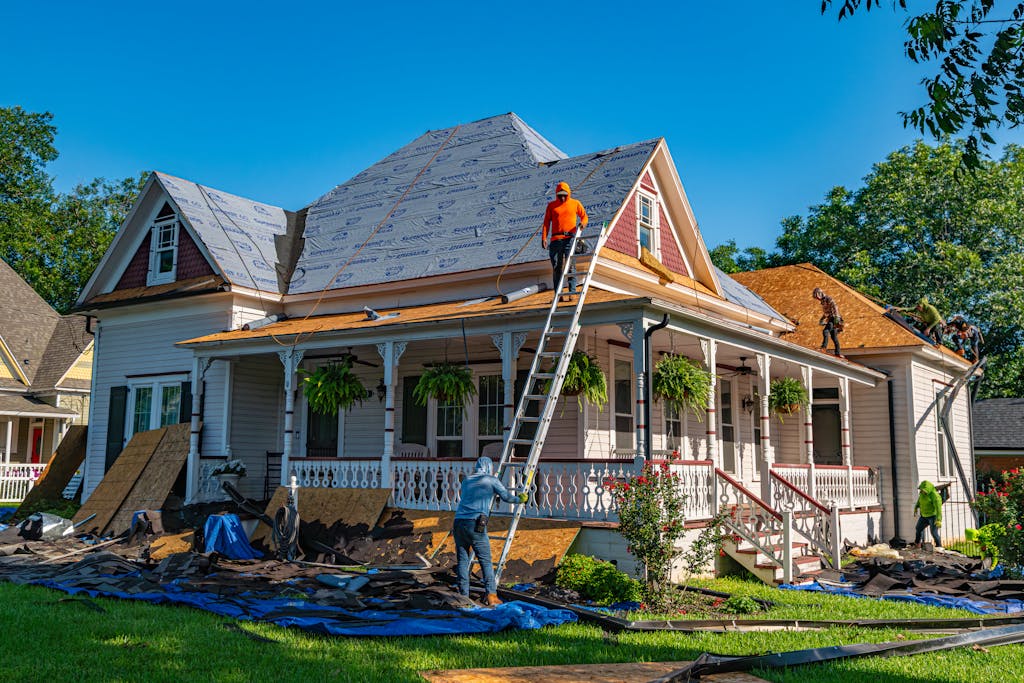
Roof Material Affects How Long a Roof Inspection Takes
Asphalt shingles are the most common roofing material in Arkansas and the fastest to inspect under normal conditions. A standard three tab or architectural shingle roof inspection moves quickly because granule loss, lifted edges, hail bruising, and missing tabs are all visible from a walking inspection. The inspector checks for thermal cracking, exposed nail heads, and sealant failures at the ridge and hip caps. Even with photographs and notes, an asphalt shingle roof inspection on an average sized home wraps up in under an hour for most properties. Storm damage roof inspections on asphalt shingles take longer because each hail strike must be circled with chalk and photographed for insurance documentation. The faster pace of asphalt inspections is one reason most Northwest Arkansas homeowners can schedule same week appointments during busy storm seasons.
Metal roofing inspections take slightly longer because the inspector evaluates fasteners, panel seams, and coating condition across the entire surface. Standing seam metal roofs require careful walking patterns to avoid denting panels, and the inspector checks every clip, screw, and butyl tape seal along the way. Exposed fastener metal roofs need a count of compromised washers and lifted screws, which adds time during the visual portion. Coating condition matters on older metal systems because faded or chalking paint signals coming corrosion issues. Penetrations like pipe boots and curb flashings receive extra attention since metal expansion and contraction can stress these connections over time. A metal roof inspection on an average Bentonville home typically runs 60 to 90 minutes from arrival to report writing.
Tile and slate roofs take the longest to inspect because of weight, fragility, and the specialized knowledge each material requires. Concrete and clay tile roofs are common in higher end Northwest Arkansas neighborhoods, and broken or slipped tiles need immediate identification during the inspection. The inspector cannot walk freely on tile without risking additional damage, so movement is slow and methodical along established paths. Underlayment condition is critical on tile roofs because the tiles themselves shed water while the underlayment provides the actual waterproof barrier. Slate roofs require even more care, with each piece checked for delamination, cracking, and fastener corrosion. A tile or slate roof inspection can easily run two to three hours on a larger custom home, and the report tends to be longer because of the detailed material specific findings.
Roof Condition Affects How Long a Roof Inspection Takes
A newer roof in good condition speeds up the inspection because there are fewer issues to document and photograph. If your roof is less than five years old and has not experienced major storm events, the inspector moves through the standard checklist quickly. The visual portion still happens on every plane, the attic still gets checked, and the gutters still get evaluated, but the report stays short. These shorter inspections are common for real estate transactions, maintenance checkups, and warranty verifications across Bentonville and surrounding cities. Even a clean roof inspection produces useful documentation for your records and gives you a baseline for future comparison. Many homeowners are surprised how thorough an inspection can be even when the roof is in excellent shape.
Older roofs and storm damaged roofs take significantly longer because every issue needs documentation for repair planning or insurance claims. A 15 to 20 year old asphalt shingle roof in Northwest Arkansas usually shows granule loss, sealant failure, and some flashing wear that all needs photographing. Hail damaged roofs require a square by square inspection method, with chalk markings on each impact point and detailed counts per slope. Wind damage inspections include lifted shingles, creased tabs, and missing pieces across the entire roof surface. Mature roofs with multiple repair patches require notes on which previous repairs have held and which need attention again. These detailed inspections often run 90 minutes to two hours even on average sized homes.
Hidden issues sometimes extend a roof inspection beyond the initial estimate, and a good roofer takes the extra time rather than rushing. Soft decking, identified by feeling spongy spots underfoot, requires careful mapping during the walk. Attic findings like daylight penetration, moisture staining, or insulation displacement add discovery time to the appointment. Ventilation problems show up through both attic checks and external observations of soffit, ridge, and gable vents. Suspected leak sources require tracing from the interior stain back through the attic and up to the roof surface. Homeowners benefit from this added thoroughness because the final report becomes far more useful for planning repairs or replacement work. Want a free roof inspection from a trusted local team? Click here for our Bentonville roofing services.
What Happens During a Roof Inspection From Start to Finish
A professional roof inspection follows a consistent process designed to catch problems at every level of the roofing system. The inspector arrives, reviews the property exterior, climbs to the roof surface, evaluates the attic, and then assembles findings into a written report. Each phase has its own time investment, and skipping any of them produces an incomplete picture of the roof’s actual condition. Toro Construction follows industry best practices on every roof inspection across Bentonville, Rogers, Bella Vista, Fayetteville, and surrounding cities. The full process is designed to identify current problems, predict future issues, and give homeowners clear next steps. Understanding what happens during each phase helps you know what questions to ask and what details to expect in your report.
The Exterior Roof Inspection Process Takes the Longest
The exterior portion of a roof inspection covers everything visible from the ground, the ladder, and the roof surface itself. Inspectors typically start with a ground level walk around the property to assess overall roof shape, identify obvious damage, and check gutters and downspouts. This ground level review takes 10 to 15 minutes and provides context before the climb begins. Photos are taken from multiple angles to document the roof as it appears before any close up inspection happens. Trees overhanging the roof, debris on the surface, and visible sagging are all noted during this phase. Even before climbing, an experienced roofer can flag several issues just from a careful look at all four elevations.
Once on the roof, the inspector walks every plane systematically to check shingle condition, flashing integrity, and penetration seals. Each slope receives attention for granule loss, lifted edges, cracked or curled shingles, and damaged ridge caps. Flashings around chimneys, walls, and skylights get individual inspection because these are the most common leak points on Arkansas roofs. Pipe boots, exhaust vents, and ridge vents need checks for cracking, separation, and proper sealing. Hail damage assessment requires chalk circles on every impact point so they can be photographed and counted accurately. This roof surface walk usually consumes the largest single block of time in the entire inspection process.
Gutters, downspouts, and drainage components round out the exterior portion of the roof inspection. Clogged gutters lead to backed up water that damages fascia, soffit, and roof edges over time. The inspector checks gutter pitch, hanger spacing, seam condition, and downspout connections at each downspout location. Splash blocks, gutter guards, and drainage paths away from the foundation are all part of a complete inspection. Fascia and soffit boards get checked for paint failure, rot, and signs of past water intrusion. All of these drainage details connect directly to roof performance, which is why a proper roof inspection always includes them as part of the standard process.

The Attic Roof Inspection Process Reveals Hidden Problems
The attic portion of a roof inspection often reveals problems that are invisible from the roof surface itself. Inspectors look for daylight coming through the roof deck, which signals missing or damaged shingles and underlayment failures. Moisture staining on rafters, decking, or insulation indicates active or past leaks that need tracing back to a source. Mold growth, particularly black or dark gray patches, points to chronic moisture problems that go beyond simple roof leaks. Insulation condition matters because wet or compressed insulation loses its R value and signals water intrusion. The attic inspection typically takes 15 to 25 minutes depending on access and the size of the space.
Ventilation evaluation is a major part of the attic inspection because poor ventilation shortens roof life dramatically. The inspector checks intake vents at the soffits and exhaust vents at the ridge or gables to confirm balanced airflow. Trapped heat in the attic causes shingle granule loss and premature aging from the underside, even when the roof looks fine from above. Trapped moisture leads to deck rot, mold growth, and insulation problems that compound over time. Bath fans and dryer vents are checked to confirm they vent outside rather than dumping moisture into the attic. Ventilation findings often drive major recommendations because correcting airflow can add years to a roof’s service life.
Structural elements get attention during the attic inspection as well, since the roof system relies on the framing below it. Rafters, trusses, ridge boards, and collar ties are checked for cracks, sagging, and signs of past repairs. Decking material, usually plywood or OSB in Arkansas homes, is evaluated for delamination, water damage, and adequate fastener engagement. Any previous repairs or modifications are documented, since unpermitted work sometimes creates structural concerns. Animal intrusion evidence, including chewed wood and nesting materials, gets noted because rodents and birds damage roofs and create entry points. All of these findings make the attic inspection one of the most valuable parts of the entire roof inspection process.
The Report Process Completes the Roof Inspection Timeline
Report assembly happens after the physical inspection and takes additional time to complete properly. The inspector organizes photos by section, writes findings into clear language, and creates a list of recommended actions. A good roof inspection report includes current condition observations, immediate concerns, and longer term planning items separated clearly. Photos are labeled so homeowners can match each image to the corresponding written observation. Repair recommendations include rough scope descriptions so you understand what work each item involves. This documentation process can add 30 to 60 minutes after the on site portion ends.
Insurance focused roof inspections require additional report time because of the specific documentation insurance carriers expect. Hail damage reports include per slope counts, test square measurements, and clear photographs of representative damage. Wind damage documentation needs identification of damage patterns consistent with storm direction and severity. Code related findings, like missing drip edge or improper flashing, get flagged because they may affect claim outcomes. Adjusters appreciate organized reports because they speed up claim processing and reduce back and forth questions. Toro Construction prepares insurance ready documentation as part of every storm damage roof inspection across Northwest Arkansas.
Report delivery often happens within 24 to 48 hours after the on site inspection wraps up. Some inspections produce a same day verbal summary along with a written report sent shortly afterward. Homeowners receive findings via email with photographs embedded or attached for easy review. A follow up conversation usually happens to walk through the report, answer questions, and discuss next steps if repairs are needed. This conversation phase is part of the full inspection timeline even though it happens after the physical visit. Quality roofers treat the report as the deliverable, since the value of the inspection lives in clear documentation and clear recommendations. Need a detailed inspection report for an insurance claim? Click here for our full roofing services.
Why You Need a Professional Roof Inspection in Arkansas
Arkansas weather puts roofs through punishing conditions every year, which is why professional roof inspections matter more here than in many other states. Spring storms bring hail, summer heat accelerates aging, fall debris clogs drainage, and winter freeze cycles stress every flashing and seal. A professional roof inspection catches problems early, before small issues turn into ceiling stains and replacement projects. Most homeowners cannot safely or accurately inspect their own roofs, especially when storm damage is subtle or hidden in the attic. Working with a trusted local roofer protects your home, your insurance options, and your long term property value. Toro Construction has served Northwest Arkansas since 2002 with honest assessments and reliable workmanship on every roof inspection.
A Professional Roof Inspection Protects Your Home Investment
A professional roof inspection identifies issues that homeowners cannot see from the ground or the attic alone. Hail damage often looks like minor specks that an untrained eye misses entirely, even though those specks shorten roof life dramatically. Wind damage creates lifted shingles that reseal in warm weather but fail again at the next storm event. Flashing problems hide behind chimneys and walls where water enters slowly and damages framing before staining the ceiling. Catching these issues early through regular roof inspections saves thousands of dollars compared to letting damage progress unchecked. Annual inspections after major storms are the most cost effective home maintenance step a Bentonville homeowner can take.
A professional roof inspection also supports insurance claims when storm damage occurs across Northwest Arkansas. Insurance carriers expect documented evidence of storm damage, and homeowner reports rarely meet that standard on their own. A trained roofer identifies damage patterns, takes proper photographs, and writes findings in language that adjusters understand. This documentation speeds up claim approval and reduces the chance of a denial based on insufficient evidence. Filing a claim within the carrier’s time window matters, which is why inspections after major hail or wind events should happen quickly. Toro Construction works directly with homeowners and insurance adjusters during every storm damage roof inspection.
A professional roof inspection extends the life of your roofing system through early intervention on small problems. Replacing a few lifted shingles costs very little compared to repairing decking damaged by a slow leak. Cleaning gutters and correcting drainage protects fascia and soffit from rot that costs thousands to repair. Resealing flashings during a routine maintenance visit prevents the leaks that destroy ceilings and insulation. Every dollar spent on inspections and small repairs delays the major expense of full roof replacement. Most professionally maintained roofs outlast their original warranty period, which is exactly the goal of regular inspection scheduling.

A Professional Roof Inspection Saves Time and Stress for Homeowners
A professional roof inspection saves homeowners the time and risk of climbing their own roof. Falls from roofs send thousands of homeowners to emergency rooms each year, and many of those falls happen during well intentioned inspections. Trained roofers carry proper safety equipment, follow established movement patterns, and know which areas of a roof are safe to walk. The few hours a professional spends on your roof represent years of experience reading damage patterns correctly. Hiring a professional removes the safety risk while delivering a far more accurate assessment than a homeowner inspection could provide. The cost of a roof inspection is small compared to the medical bills from a roof fall.
A professional roof inspection delivers clarity that helps homeowners make informed decisions about their property. Vague guesses about roof age and condition lead to either wasted spending on unnecessary work or delayed action on real problems. A clear report shows exactly what needs attention now, what can wait, and what to monitor in the coming year. This level of clarity helps with budgeting, insurance discussions, and planning around other home projects. Homeowners selling their property especially benefit from pre listing inspections that prevent surprises during buyer due diligence. Clear documentation turns roof condition into a known factor rather than an unknown risk.
A professional roof inspection connects homeowners to a trusted resource for future needs across Bentonville and Northwest Arkansas. Roofing companies that perform thorough inspections build long term relationships with the homeowners they serve. When the next storm hits or the next leak appears, having an established contact saves time and stress during an urgent situation. Many homeowners discover during an inspection that they also need water restoration, siding repair, or other related services. One trusted company that handles roofing, restoration, and remodeling simplifies home maintenance across years of ownership. Toro Construction builds these relationships through honest inspections and reliable follow through on every project.
Why Choose Toro Construction for Your Roof Inspection
Toro Construction has served Bentonville and Northwest Arkansas since 2002 with more than 20 years of trusted roofing experience. Every roof inspection is performed by experienced team members who know Arkansas weather patterns and the damage they create. The company is licensed and insured in Arkansas, which gives homeowners peace of mind during every inspection and project. Free roof inspections come with honest recommendations rather than pressure to buy services you do not need. Communication stays strong from the first phone call through report delivery and any follow up work that gets scheduled. This trade ethic reflects the company’s commitment to the local community it has served for over two decades.
Toro Construction offers a complete range of services beyond roof inspections, which makes complex projects simpler for homeowners. The same team handles roofing, water restoration, fire restoration, and home remodeling under one company roof. Storm damage often involves more than just the roof, and having one contractor coordinate everything saves time and reduces confusion. IICRC certification on the restoration side means professional standards apply to every water and fire project. A 20 year craftsmanship warranty on qualifying projects backs the workmanship with a long term commitment. Financing options are also available for larger projects when full replacement or major remodeling becomes necessary.
Toro Construction operates 24/7 emergency service for storm damage and urgent roofing repairs across Bentonville and surrounding cities. High quality materials and proven installation methods protect homes from the next round of Arkansas weather. Reliable timelines and organized project management mean projects start when promised and finish on schedule. The team is community focused with a commitment to giving back across the areas served every day. Property value protection drives every recommendation, since the goal is keeping your investment strong year after year. Ready to schedule your roof inspection in Bentonville? Call (479) 877-7121 or click here for our Bentonville roofing services.