
A whole home remodel changes nearly every part of your house, so it helps to understand the process before the first crew ever arrives. Many homeowners in Bentonville start a remodel in summer because the weather stays steady and the project timeline tends to move quickly. The work usually follows a clear order, beginning with design and permits, then moving into demolition, structural updates, mechanical systems, and final finishes. Each phase builds on the one before it, which keeps the project organized and easy to follow. A good contractor walks you through every step, so you always know what is happening and why it matters. Costs, timelines, and material choices all get decided early in the process, which prevents most surprises later on. The goal is a finished home that feels brand new, works better day to day, and holds its value for years. Knowing what to expect makes the entire experience smoother, from the very first planning meeting to the final walkthrough.
How a Whole Home Remodel Project Works From Start to Finish
A whole home remodel works best when every phase follows a clear plan from the very beginning. The process starts with a design meeting where you share your goals, your budget, and the rooms you most want to change. From there, your contractor creates drawings, pulls the right permits, and sets a realistic timeline for the entire scope of work. Demolition comes next, followed by structural changes, mechanical updates, insulation, drywall, and the final finishes that bring each room to life. Every stage includes its own inspections, which confirm the work meets local building codes here in Arkansas. A strong project keeps you informed at each turn, so you never feel lost in the details. Ready to plan your project the right way? Click here for our home remodel service. The more organized the process, the smoother your remodel will feel from start to finish.
Planning the Whole Home Remodel Before Demolition Begins
Planning is the most important part of any whole home remodel, and it happens long before a single wall comes down. During this stage, your contractor learns how you use your home, what frustrates you about the current layout, and what you want the finished space to feel like. You will talk through your budget honestly, since the numbers shape every decision that follows. Your contractor then turns those ideas into drawings that show new walls, room sizes, and the flow between spaces. This early work prevents costly changes later, because the plan is set before the crew picks up a single tool. Clear planning also helps you prioritize, so the features that matter most get the attention they deserve. When the design is locked in, everyone on the project understands the goal and the path to reach it.
Permits and building codes are a major part of the planning stage, and they protect both your home and your investment. A whole home remodel often touches plumbing, electrical, and structural systems, all of which require approval from local building officials. Your contractor handles the permit paperwork, schedules the required inspections, and makes sure the design follows current Arkansas building codes. Skipping this step can lead to fines, failed inspections, and trouble when you eventually sell the home. A licensed and insured contractor already understands these rules, which keeps your project legal and safe. Permits also create a paper trail that future buyers and appraisers trust. This part of planning rarely gets noticed by homeowners, yet it quietly keeps the whole project on solid ground.
Material selection and scheduling round out the planning phase, and both have a direct effect on your timeline. During this stage, you choose flooring, cabinets, countertops, paint colors, fixtures, and dozens of other finishes that define the final look. Some materials ship quickly, while others take weeks to arrive, so ordering early keeps the crew from sitting idle. Your contractor builds a schedule that lines up deliveries with the right phase of construction. This coordination matters, because installing finishes in the wrong order can damage them or slow everything down. Good scheduling also helps you plan around the disruption, especially if you continue living in part of the home. By the time demolition starts, the materials are on the way and every step has a place on the calendar.

The Whole Home Remodel Construction Timeline Explained
A whole home remodel timeline usually runs several weeks to several months, depending on the size of the home and the scope of the work. The early phases focus on the parts you cannot see, such as framing, plumbing lines, electrical wiring, and ductwork. Once those rough systems pass inspection, the crew adds insulation, hangs drywall, and prepares each room for finishes. Finishes take up a large share of the schedule, since flooring, cabinets, trim, and paint all require careful, detailed labor. The final days center on fixtures, hardware, cleanup, and a thorough review of the completed work. Each phase has a natural order, and rushing one stage often creates problems in the next. A realistic timeline keeps your expectations grounded and your stress level low.
Several factors can stretch or shorten a remodel timeline, and understanding them helps you stay patient through the process. Older homes sometimes hide surprises behind the walls, such as outdated wiring, worn pipes, or water damage that must be fixed before the project continues. Weather can play a role too, especially when the remodel includes roofing, siding, or other exterior work. Material delays, custom orders, and design changes can also push dates back, even on a well planned project. A skilled contractor builds a small buffer into the schedule to absorb these bumps without derailing the whole plan. Open communication about delays keeps you informed rather than frustrated. The goal is steady, reliable progress that you can actually see week after week.
Staying on schedule comes down to organization, coordination, and an experienced crew that knows how to keep the work flowing. Your contractor sequences each trade so the plumbers, electricians, and carpenters never collide or block one another. Inspections get scheduled in advance, which prevents the project from stalling while everyone waits for approval. A dedicated project manager tracks progress daily and adjusts quickly when something changes. This level of organization is exactly why a whole home remodel benefits from one team handling the entire job. Want a remodel that stays organized from day one? Click here for home remodel services in Bentonville. A well managed timeline turns a stressful renovation into a smooth, predictable experience.
Communication During Your Whole Home Remodel
Strong communication is the backbone of any successful whole home remodel, and it starts on day one. Before the work begins, you should know who your main point of contact is and how to reach them with questions. A reliable contractor sets clear expectations about scheduling, daily access, and how decisions will be made along the way. This early clarity prevents confusion once the dust starts flying and the crew fills your home. When everyone understands the plan, small issues get solved fast instead of growing into big problems. Good communication also builds trust, which matters a great deal during a project this large. The more openly your contractor communicates, the more confident you will feel about the work.
Regular updates keep you connected to the progress, even on the days you cannot be home to watch. Many contractors share weekly check ins, photos, or short meetings to review what is finished and what comes next. These updates give you a chance to ask questions, confirm choices, and catch concerns before they turn into rework. A dedicated project manager makes this process simple, since one person tracks every detail and answers your calls. This single point of contact removes the confusion of chasing down separate trades for answers. Consistent updates also help you plan your own schedule around the louder or messier phases. Staying informed turns a remodel from a mystery into a process you can follow with confidence.
Changes and decisions are a normal part of a whole home remodel, and clear communication keeps them under control. As walls come down, you may discover new options or run into conditions that require a small adjustment to the plan. A good contractor explains the choices, the costs, and the timeline impact before any change moves forward. This protects your budget and prevents surprises on the final bill. Written change orders document each decision, so everyone agrees on the work and the price. Quick, honest conversations during these moments keep the project moving instead of stalling. When communication stays strong, even unexpected issues feel manageable rather than overwhelming.
What to Expect During Each Phase of a Whole Home Remodel
Each phase of a whole home remodel has a distinct purpose, and knowing the order helps you understand the bigger picture. The project moves from demolition to structural work, then into the mechanical systems hidden inside your walls. After those systems pass inspection, the crew closes up the walls and shifts attention to surfaces and finishes. The final phase focuses on the small details that make a house feel complete and ready to enjoy. Inspections happen at key points to confirm the work is safe and up to code. This steady progression keeps quality high and prevents shortcuts that could cause trouble later. Understanding these phases helps you appreciate the craftsmanship behind every finished room.
Demolition and Structural Work in a Whole Home Remodel
Demolition is the loud, dramatic phase that clears the way for everything new, and it sets the stage for the entire remodel. The crew carefully removes old flooring, cabinets, drywall, fixtures, and anything else marked for replacement. Good demolition is not just about tearing things out; it protects the parts of the home that stay in place. Workers shield floors, seal off dust, and dispose of debris in an organized way. This phase often reveals hidden conditions, such as old wiring, worn plumbing, or moisture damage that needs attention. Catching these issues early is actually a benefit, since it allows repairs before new finishes go in. By the end of demolition, the home is a clean slate ready for the next stage.
Structural work follows demolition, and it shapes the new layout you planned during design. This phase may include removing walls to open up a space, adding beams for support, or framing brand new rooms. Structural changes require careful engineering, because they affect how the entire home carries its weight. A licensed contractor follows approved plans and schedules inspections to confirm the framing is safe and sound. This is also the stage where window and door openings get adjusted to match the new design. Solid structural work creates the foundation for everything that comes after it. When the framing is right, the rest of the remodel falls into place smoothly.
Structural work also ties directly into the long term durability of your home, which makes quality here essential. Properly framed walls, level floors, and correctly sized supports prevent cracks, sagging, and other problems down the road. This phase is the perfect time to address any foundation or load concerns discovered during demolition. A skilled crew measures twice and builds once, since mistakes at this stage are expensive to fix later. Inspections during structural work give you confidence that the bones of your home are strong. These hidden details rarely get noticed once the walls are closed, yet they support your home for decades. Investing in careful structural work protects both your safety and your property value.
Plumbing, Electrical, and Mechanical Updates in a Whole Home Remodel
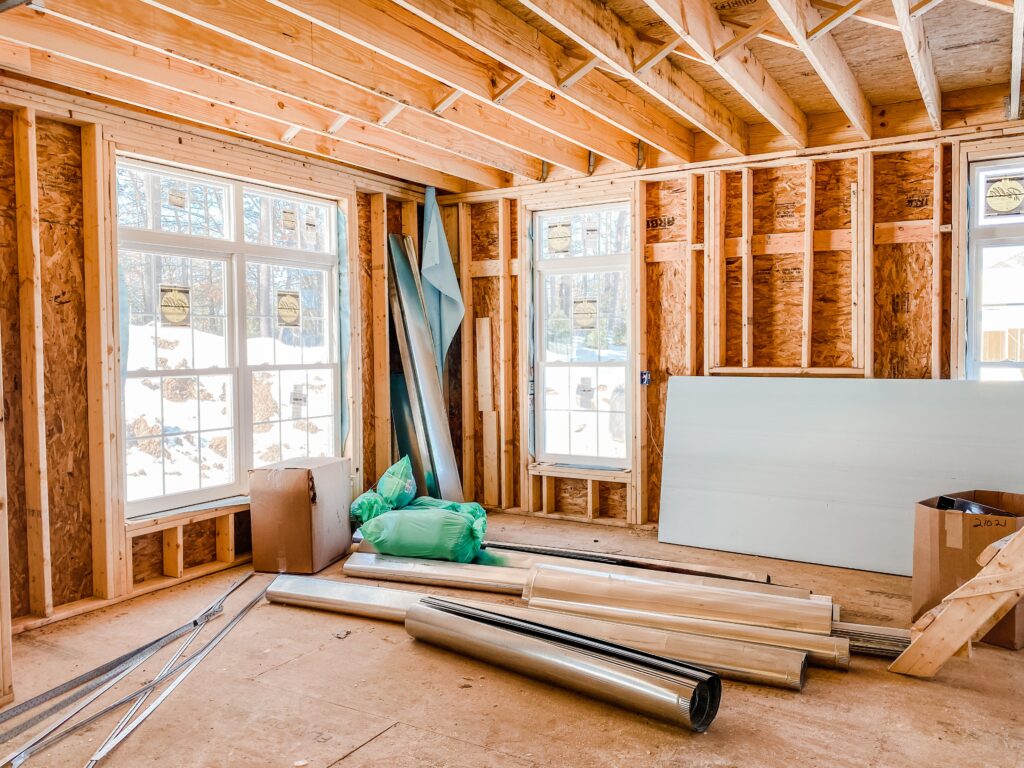
The mechanical phase covers the systems that make a home function, including plumbing, electrical, and heating and cooling. With the walls open, this is the ideal time to update pipes, wiring, and ductwork that may be outdated or undersized. Plumbers route new supply and drain lines to match your updated kitchen, bathrooms, and laundry areas. Electricians add circuits, outlets, switches, and lighting that meet today’s safety codes and your daily needs. This work happens behind the scenes, yet it has a huge impact on how comfortable and safe your home feels. Quality mechanical work prevents leaks, electrical hazards, and uneven temperatures for years to come. Getting these systems right is one of the most valuable parts of a whole home remodel.
Inspections play a major role during the mechanical phase, and they protect you long after the project ends. Local building officials review the plumbing, electrical, and heating work before the walls get closed. These checks confirm the systems are installed correctly and meet Arkansas building codes. A licensed contractor schedules each inspection at the right time, so the project keeps moving without delay. Passing these inspections gives you documented proof that the work was done properly. This documentation matters when you sell the home or file an insurance claim in the future. Skipping or rushing inspections is never worth the risk, since hidden mistakes can be costly and dangerous.
This phase also gives you a rare chance to improve efficiency throughout your home. Updated wiring supports modern appliances and smart home features without overloading old circuits. New plumbing reduces the risk of leaks that could lead to water damage and the need for water restoration later. Upgraded heating and cooling systems lower energy bills and keep every room comfortable year round. Adding insulation during this stage further improves efficiency and noise control between rooms. These upgrades may not be visible once the walls close, but you feel their benefits every single day. Smart mechanical choices now save money and headaches for years into the future.
Finishes and Final Walkthrough of Your Whole Home Remodel
The finishes phase is where your remodel finally starts to look like the home you imagined. After the walls are insulated and the drywall is hung, the crew adds texture, primer, and paint to every surface. Flooring goes in next, followed by cabinets, countertops, trim, and interior doors. Each finish requires careful, detailed labor, since this is the work you see and touch every day. The order matters here, because installing items in the wrong sequence can damage delicate surfaces. A skilled crew protects new floors and counters while the remaining work continues. By the end of this phase, each room feels complete, polished, and ready to enjoy.
Fixtures and final details bring the whole project together during the closing days of the remodel. Plumbers install sinks, faucets, toilets, and showers, while electricians add light fixtures, outlets, and switch plates. Hardware goes on the cabinets and doors, and any final trim or molding gets set in place. These small touches make a big difference in how finished and intentional the home feels. The crew also handles a deep cleaning, removing dust and debris from every corner. This is the moment when the disruption ends and the enjoyment begins. Seeing the finished details come together is often the most rewarding part of the entire process.
The final walkthrough is your chance to review the completed work alongside your contractor. Together, you inspect each room, test the fixtures, and note anything that needs a final touch up. This list of small items is often called a punch list, and a good contractor handles it quickly. The walkthrough confirms that the work matches the plan and meets your expectations. It also gives you a chance to ask questions about maintenance and warranties. A reputable contractor stands behind the work and addresses any concerns before calling the job complete. This careful final step ensures you move into a home that is truly finished and built to last.
Why You Need a Trusted Contractor for Your Whole Home Remodel
A whole home remodel is a major investment, so the contractor you choose matters as much as the design itself. The right team keeps the project organized, the budget protected, and the quality high from start to finish. An experienced contractor anticipates problems, communicates clearly, and stands behind every part of the work. This level of trust turns a complicated renovation into a smooth and rewarding experience. The wrong choice, on the other hand, can lead to delays, cost overruns, and frustrating mistakes. Choosing a licensed, insured, and proven team protects both your home and your peace of mind. The sections below explain why the right contractor makes all the difference.
Why a Whole Home Remodel Needs Careful Planning
Careful planning separates a successful whole home remodel from a stressful one. A trusted contractor invests time upfront to understand your goals, your budget, and your timeline. This planning shapes every decision and prevents expensive changes once the work begins. Detailed drawings, clear scopes, and accurate estimates keep everyone aligned from the start. When the plan is solid, the entire project runs with fewer surprises and far less stress.
Planning also protects your investment by setting realistic expectations from day one. A good contractor explains what the budget covers and where costs could shift along the way. This honesty helps you make smart choices instead of facing surprises later. Thoughtful planning also accounts for permits, inspections, and material lead times. With these details handled early, the project stays on track and within reach of your budget.
A well planned remodel also delivers a better finished result that you will enjoy for years. When each phase is mapped out, the design choices flow together into a cohesive whole. Rooms connect naturally, finishes match, and the layout supports how you actually live. This kind of careful thought is hard to add after construction starts. Strong planning is the foundation of a remodel that looks intentional and feels complete.

How the Right Team Protects Your Whole Home Remodel Budget
The right team protects your budget by giving you accurate numbers from the very beginning. Detailed estimates help you understand the full cost before any work starts. A trusted contractor explains where your money goes and which choices affect the price. This transparency lets you prioritize the features that matter most to you. Clear budgeting removes the fear of hidden costs piling up later.
Good contractors also protect your budget by managing the project efficiently from day to day. Smart scheduling keeps trades coordinated, which prevents costly delays and idle crews. Ordering materials early avoids rush fees and gaps in the timeline. Written change orders document any adjustments, so the final bill holds no surprises. This careful management keeps your project on time and within the numbers you agreed on.
Financing options can also make a larger remodel more manageable for your budget. A reputable contractor helps you understand the ways to spread the cost of bigger projects. This flexibility lets you complete the full remodel instead of cutting corners to save money. Quality work and smart budgeting together protect the long term value of your home. With the right team, your investment goes further and your remodel stays affordable.
Why Choose Toro Construction for Your Whole Home Remodel
Toro Construction has served Arkansas since 2002, bringing more than twenty years of experience to every project. We are licensed and insured in Arkansas, which gives you real peace of mind throughout your remodel. Our team handles roofing, restoration, and remodeling under one roof, so you never juggle multiple contractors. This single team approach keeps your project organized, consistent, and easy to manage. We back qualifying projects with a twenty year craftsmanship warranty that protects your investment.
We believe strong communication is the key to a smooth remodel from start to finish. Our team keeps you informed at every phase, answers your questions, and explains each decision clearly. We use high quality materials and proven installation methods that stand the test of time. Reliable timelines and organized project management keep your remodel moving without unnecessary delays. Financing options are available for larger projects, making your dream home more attainable.
As a community focused company, we care about the homeowners and neighborhoods we serve across Northwest Arkansas. Our work centers on protecting and increasing the value of your property for the long term. Ready to start your whole home remodel with a team you can trust? Click here for our home remodel service, or call us at (479) 877-7121. Let Toro Construction turn your house into the home you have always wanted.