
Summer in Arkansas brings powerful storms that test every commercial roof on a building. Flat commercial roofs face a unique set of challenges when heavy rain, hail, and strong wind move through Bentonville and the surrounding region. A well built flat roof is designed to shed water, resist uplift, and hold up against the debris that summer weather throws at it. The way these roofs perform depends on the membrane, the drainage system, and the quality of the original installation. Property owners who understand how flat roofs respond to storms can spot trouble early and avoid expensive repairs. Small issues that go unnoticed in June can turn into major leaks by August. This guide explains how flat commercial roofs manage summer storms and what keeps them watertight through the worst weather. It also covers the warning signs that tell you a professional inspection is needed before the next storm arrives.
What Makes Flat Commercial Roofs Built to Handle Summer Storms
Flat commercial roofs are not truly flat; they carry a slight slope that moves water toward drains and edges. This design lets the roof manage the heavy rainfall that comes with Arkansas summer storms. The membrane on top forms a continuous waterproof layer that blocks moisture from reaching the building below. Beneath that membrane sits insulation and a structural deck that add strength and support. Each layer plays a role in how the roof reacts to wind, water, and impact. When all of these parts work together, the roof can take on a serious storm without failing. Problems usually start when one component wears down or was installed poorly. Knowing how the system functions helps owners protect their investment year after year.
How Flat Commercial Roof Membranes Resist Summer Storm Damage
The membrane is the first line of defense against summer storms on a flat commercial roof. Most modern flat roofs use single ply materials such as TPO, EPDM, or PVC, each chosen for durability and weather resistance. TPO offers a reflective white surface that lowers heat absorption and resists punctures from flying debris. EPDM is a tough rubber membrane known for flexibility and a long service life in changing temperatures. PVC stands out for its strong welded seams and resistance to chemicals and standing water. These materials are engineered to flex as the building expands and contracts during hot summer days. A quality membrane keeps water out even when rain pounds the surface for hours. The right choice depends on the building, the budget, and the conditions the roof will face.
Seams are the most vulnerable part of any flat roof membrane during a storm. Heat welded seams on TPO and PVC create a bond that is often stronger than the membrane itself. EPDM relies on adhesives or tape that must be applied correctly to stay sealed. When seams fail, water finds a path straight into the insulation and deck below. Summer heat can stress weak seams and cause them to lift or separate over time. A storm then drives rain into those openings and starts a slow leak that grows worse with each downpour. Regular inspection of seams catches these weak points before they let water through. Toro Construction checks every seam during a roof evaluation to confirm the surface stays sealed.
Membrane age plays a large role in how a flat roof handles summer weather. A new membrane resists hail, wind, and rain far better than one that has weathered for two decades. Over time, sun and heat break down the surface and reduce its ability to stretch and recover. Cracks, blisters, and soft spots are signs that the membrane is nearing the end of its life. A roof in this condition can fail suddenly when a strong storm hits. Replacing an aging membrane before summer storms arrive protects the entire building. Need a durable commercial roof built for Arkansas weather? Click here for our roofing services. A fresh, properly installed membrane gives owners confidence through every storm season.
How Flat Commercial Roof Drainage Manages Summer Storm Rain
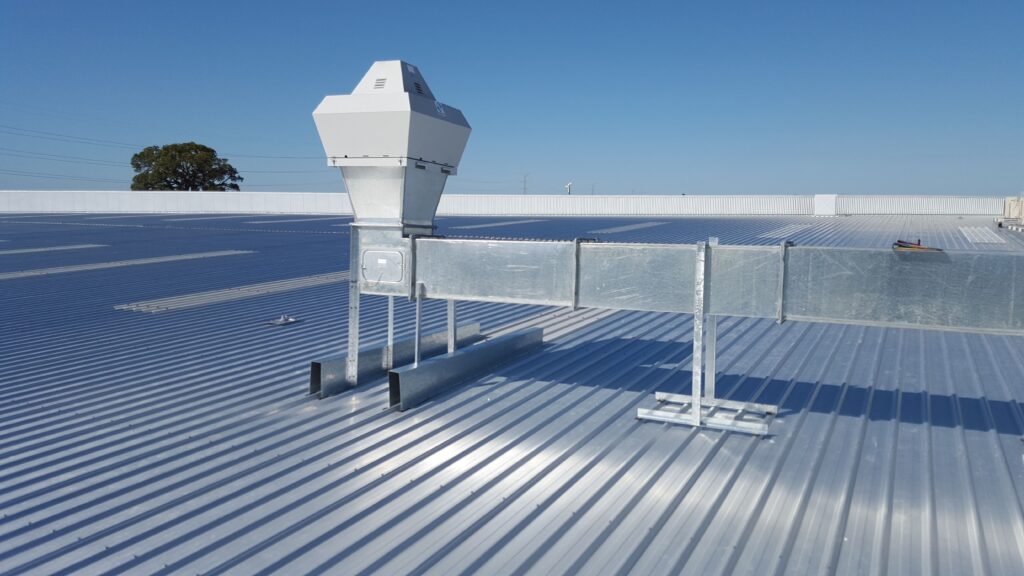
Drainage is the heart of how a flat commercial roof survives heavy summer rain. Because the slope is gentle, water must have a clear path to leave the roof quickly. Internal drains, scuppers, and gutters work together to carry rainfall off the surface. Internal drains sit at low points and pull water down through pipes inside the building. Scuppers are openings along the edge that let water pour off the side and into downspouts. Gutters catch runoff and direct it away from the foundation and walls. When these systems flow freely, even a strong downpour drains without trouble. A blocked or undersized drainage system is one of the most common causes of storm damage.
Clogged drains are a frequent problem on flat roofs during the summer. Leaves, dirt, and debris collect over time and slowly choke the openings. When a drain backs up, water has nowhere to go and begins to pool on the surface. Standing water adds weight to the roof and stresses the structure underneath. It also speeds up wear on the membrane and seeks out any weak seam or crack. After a heavy storm, that trapped water can sit for days and create the perfect setup for a leak. Clearing drains and scuppers before storm season keeps water moving the way it should. A simple cleaning often prevents thousands of dollars in repair costs later.
Drainage design matters as much as drainage maintenance on a flat commercial roof. A roof must have enough drains and the right slope to handle the rainfall a region receives. Arkansas summer storms can drop several inches of rain in a short window, which tests any system. Roofs built without enough drainage capacity will struggle every time a heavy storm passes. Adding drains or scuppers can correct a system that was undersized from the start. Tapered insulation can also improve slope and guide water toward the drains more efficiently. A professional evaluation reveals where water collects and how to fix the flow. Toro Construction designs and repairs drainage systems that keep water off the roof and away from the building.
How Flat Commercial Roof Flashing Protects Against Summer Storms
Flashing seals the spots where the flat roof membrane meets walls, curbs, and rooftop equipment. These transitions are some of the most likely places for a leak to start during a storm. Flashing wraps around vents, skylights, HVAC units, and parapet walls to keep water out. It bridges the gap between the flat surface and anything that rises above it. Summer storms drive rain sideways, and wind pushes water into every seam and joint. Without solid flashing, that water slips behind the membrane and into the structure. Quality flashing is installed to redirect water back onto the roof surface. It is a small detail that carries a large share of the roof’s waterproofing job.
Flashing takes a beating from heat, sun, and constant movement on a flat roof. Metal flashing can loosen as fasteners work free over many seasons of expansion and contraction. Sealant around flashing dries out and cracks under the summer sun. Once that seal breaks, even a light rain can begin to seep into the building. Wind from a summer storm can lift loose flashing and tear it away from the edge. Damaged flashing often goes unnoticed until water stains appear on the ceiling inside. Routine inspection catches worn flashing before it lets storm water through. Resealing or replacing flashing is a straightforward fix that prevents major water damage.
Parapet walls and roof edges need special attention on flat commercial roofs. These raised borders take the full force of wind during a summer storm. Coping and edge metal protect the top of the wall from rain and uplift. When this metal loosens, wind can peel back the membrane along the entire edge. Edge failures are a leading cause of major roof loss in high wind events. Properly secured edge metal keeps the membrane locked down where it matters most. A storm ready roof has tight, well maintained flashing at every transition. Toro Construction inspects all flashing and edge details to confirm the roof can stand up to summer weather.
Common Summer Storm Problems Flat Commercial Roofs Face
Even a strong flat roof faces real threats during the Arkansas storm season. Hail, wind, and ponding water each attack the roof in a different way. Hail strikes the membrane with force and can leave bruises or punctures. High wind pulls at the edges and tries to lift the membrane off the deck. Heavy rain overwhelms drainage and leaves water sitting on the surface. Each of these problems can lead to leaks, structural stress, and costly interior damage. Knowing what to look for after a storm helps owners act before small issues grow. The sections below break down how each threat affects a flat commercial roof.
How Summer Storm Hail Affects Flat Commercial Roofs
Hail is one of the most damaging forces a flat commercial roof faces in summer. Stones can range from small pellets to chunks larger than a golf ball. When hail strikes the membrane, it delivers a sharp impact that can crack or bruise the surface. Soft spots form where the impact weakens the material without breaking through right away. These bruises trap moisture and break down the membrane from the inside. Larger hail can punch straight through and expose the insulation beneath. Damage is not always visible from the ground, which makes it easy to miss. A close inspection after a hailstorm reveals impacts that the naked eye would overlook.
The type of membrane affects how a flat roof responds to hail. Thicker single ply materials absorb impact better than thin, aging surfaces. Modified bitumen and built up roofs offer extra layers that can resist hail strikes. Even tough membranes show wear after years of repeated hail exposure. Rooftop equipment such as HVAC units and vents can also suffer hail dents and cracks. Damaged equipment can leak water into the building through its own openings. A full hail inspection covers both the membrane and everything mounted on the roof. Catching hail damage early prevents leaks that show up weeks or months later.
Hail damage often qualifies for an insurance claim on a commercial property. Insurers expect documentation that ties the damage to a specific storm event. A professional roofer records impact marks, measures the damage, and provides clear reports. This evidence strengthens a claim and helps owners recover repair costs. Acting quickly matters because many policies set deadlines for storm claims. Water that enters through hail damage can spread fast and ruin interior finishes. Need help after storm damage soaks your building? Click here for our water restoration services. Toro Construction guides property owners through inspection, documentation, and repair after every hailstorm.
How Summer Storm Wind Affects Flat Commercial Roofs
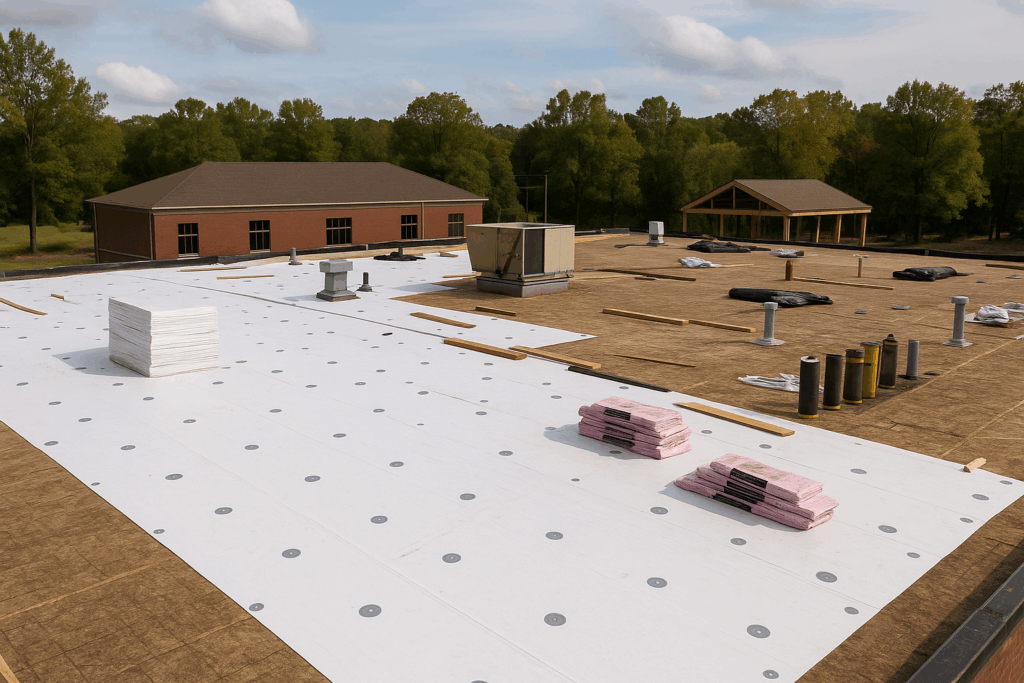
Wind is a constant threat to flat commercial roofs during summer storms. Strong gusts create uplift that tries to pull the membrane away from the deck. The force is strongest at the edges and corners where wind catches the surface. A membrane that is poorly fastened can balloon, tear, or peel back in a single storm. Once wind gets under the membrane, it can strip large sections in minutes. Loose flashing and edge metal give wind the opening it needs to start the damage. Arkansas summer storms can produce straight line winds that rival small tornadoes. A roof built to code with proper fastening resists these forces far better.
Wind also carries debris that strikes and damages the roof surface. Branches, gravel, and loose objects become projectiles in a strong storm. These items can puncture the membrane or scrape away its protective layer. Tree limbs that fall on the roof leave dents, tears, and weak spots. Rooftop equipment can shift or break loose when wind speeds climb. Each piece of debris damage creates a new path for water to enter. Clearing nearby trees and securing loose items reduces this risk before storms arrive. A post storm inspection finds debris damage that could otherwise turn into a leak.
The attachment method holds the key to how a flat roof handles wind. Membranes can be fully adhered, mechanically fastened, or held down with ballast. Fully adhered systems bond the membrane directly to the insulation for strong wind resistance. Mechanically fastened systems use plates and screws to lock the membrane to the deck. Ballasted roofs rely on stone or pavers to weigh the membrane down. The right method depends on the building height, location, and wind exposure. A roof installed with the wrong attachment for its setting is at high risk in a storm. Toro Construction installs and repairs systems engineered to stand up to Arkansas wind.
How Summer Storm Ponding Water Affects Flat Commercial Roofs
Ponding water is one of the most damaging long term problems on a flat roof. It forms when water collects in low spots and fails to drain within two days. Summer storms dump large volumes of rain that can overwhelm a weak drainage system. Standing water adds heavy weight that strains the roof structure over time. The constant moisture breaks down the membrane and accelerates aging. Algae and plant growth can take hold in water that sits for long periods. Each pond marks a spot where the roof is most likely to develop a leak. Removing the cause of ponding protects both the membrane and the building.
Ponding often points to a deeper problem with slope or structure. A roof deck can sag over time and create low areas that trap water. Crushed or wet insulation loses height and forms dips across the surface. Drains that sit too high leave a film of water that never fully clears. These issues build slowly and grow worse with each summer storm. Left alone, ponding water eventually finds a seam or crack and enters the building. Tapered insulation and added drains can correct the slope and clear the water. A roofing professional locates the source of ponding and designs the right fix.
Ponding water leads to leaks that damage far more than the roof itself. Once water enters, it spreads into insulation, ceilings, walls, and flooring. Mold can begin to grow within a day or two of moisture reaching the interior. Wet materials lose strength and must often be removed and replaced. The cost of interior repairs frequently exceeds the cost of the roof work. Fast action limits the spread and protects the building from lasting harm. Toro Construction is IICRC certified and ready to handle water damage from start to finish. Stopping ponding at the roof prevents the chain of damage before it begins.
Why You Need Professional Flat Commercial Roof Storm Inspections
Summer storms put every flat commercial roof to the test in Arkansas. The smartest way to protect a building is to inspect the roof before and after the storm season. A trained eye finds the small problems that owners cannot see from the ground. Early repairs cost far less than emergency work after a leak appears. A professional inspection gives owners a clear picture of the roof’s condition. Toro Construction provides honest evaluations and reliable repairs for commercial roofs across the region.
Why Summer Storm Roof Inspections Protect Your Commercial Property
A storm inspection catches damage while it is still small and easy to fix. Roofers check the membrane, seams, flashing, and drains for any sign of trouble. They look for hail bruises, wind damage, and standing water that owners might miss. Each finding is documented so owners know exactly what the roof needs. This record also supports an insurance claim if a storm caused the damage. A regular inspection schedule keeps a commercial roof ready for the next storm.
The best time to inspect a flat roof is before summer storms arrive. A spring or early summer check confirms the roof is sealed and draining well. Repairs made ahead of the season prevent leaks during the heaviest storms. A second inspection after a major storm catches any new damage right away. This two step approach keeps the roof in strong shape all year. Want a roof inspection before the next storm? Click here for our Bentonville roofing services.
Skipping inspections is a gamble that often ends in costly damage. A small leak that goes unnoticed can soak insulation and rot the deck below. By the time a stain appears inside, the damage has already spread. Emergency repairs during a storm cost far more than planned maintenance. Regular inspections give owners control over the timing and cost of roof work. Protecting the roof protects everything and everyone inside the building.
Why Fast Storm Damage Repair Matters for Flat Commercial Roofs
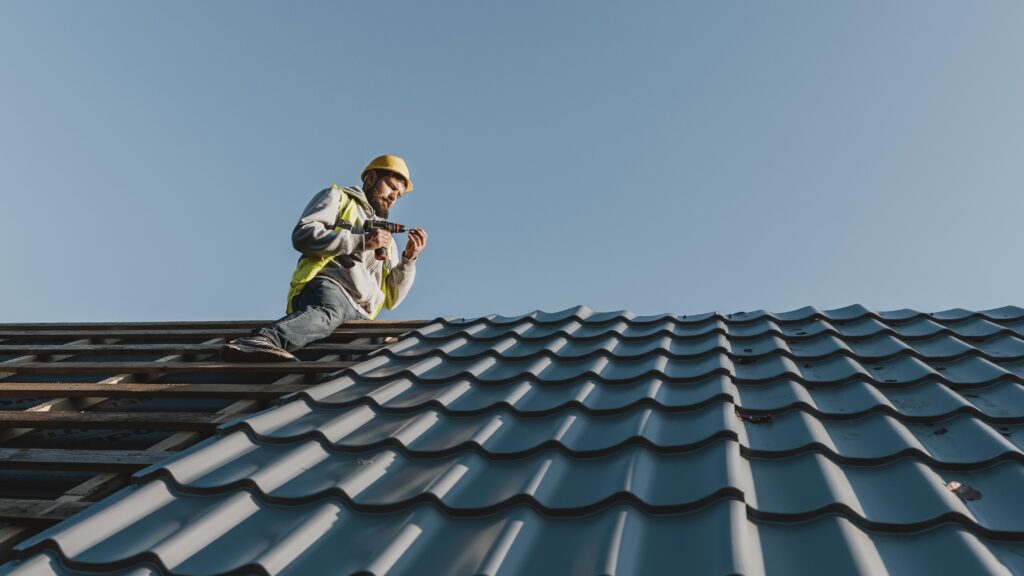
Speed is critical when a summer storm damages a flat commercial roof. Water that enters the building spreads quickly through every layer it touches. A small leak can soak insulation, ceilings, and inventory within hours. The longer the water sits, the more it costs to repair the damage. Fast repair stops the water and limits the loss to the smallest area. A quick response can mean the difference between a minor fix and a major project.
Storm damage rarely waits for business hours to appear. A roof can fail in the middle of the night during a heavy summer storm. Emergency service keeps the building protected until a full repair is made. A temporary cover or patch stops water while a lasting fix is planned. This rapid action saves both the structure and the contents inside. Toro Construction offers 24/7 emergency service for storm damage and urgent repairs.
Repairs must be done right to hold up against the next storm. A rushed patch that fails only leads to more damage and more cost. Skilled roofers use the correct materials and methods for each membrane type. They confirm the repair blends with the existing system and seals completely. Quality work restores the roof to full strength and protects the building long term. A proper repair gives owners peace of mind through the rest of the storm season.
Why Choose Toro Construction for Flat Commercial Roof Storm Protection
Toro Construction has served Arkansas with quality roofing since 2002. More than twenty years of experience stands behind every commercial roof project. The team is licensed and insured in Arkansas for the full peace of mind of every client. A 20 year craftsmanship warranty backs qualifying projects across the region. From Bentonville to the surrounding cities, owners trust Toro for reliable roofing work. That track record reflects a real commitment to honest service and lasting results.
Toro Construction handles roofing, water restoration, fire restoration, and remodeling under one roof. This means one team can repair the roof and restore any water damage a storm leaves behind. IICRC certification confirms the crew meets professional standards for water restoration. Strong communication keeps owners informed from the first inspection to the final repair. Free roof inspections come with honest recommendations and no pressure. Financing options are available to help owners manage the cost of larger projects.
Choosing Toro Construction means choosing a company focused on protecting property value. The crew uses high quality materials and proven installation methods on every job. Reliable timelines and organized project management keep work on track and on budget. The company stays community focused and committed to giving back across Arkansas. Owners get one trusted partner for storm protection, repair, and restoration. Call Toro Construction at (479) 877-7121 to schedule a commercial roof inspection today.