
Summer in Arkansas brings long days of intense sunlight, high humidity, and temperatures that often climb past 95 degrees. Your roof takes the full force of that heat every single day from June through September. Most homeowners in Bentonville and across Northwest Arkansas do not realize how much damage summer weather causes to shingles, underlayment, flashing, and ventilation systems over time. The combination of UV radiation, thermal expansion, and trapped attic heat slowly breaks down roofing materials in ways that shorten the overall lifespan of the entire system. By the time visible signs appear, the damage has often progressed for months or even years. Understanding how summer heat impacts your roof helps you take action before small problems turn into expensive repairs or premature replacement. Toro Construction has served Arkansas homeowners since 2002, and our team sees the effects of summer heat damage in nearly every roof inspection we perform during the warmer months.
The Main Ways Summer Heat Damages Your Roof
Heat damage on a roof is not a single problem; it is a series of stress points that build up over years of exposure. Asphalt shingles, which cover most homes in Bentonville and surrounding Arkansas communities, are especially vulnerable to high temperatures because their petroleum-based composition softens under prolonged heat. Roof surfaces in direct sunlight can reach 150 degrees or higher during peak summer afternoons, even when the outside air temperature reads 95. That intense surface heat sets off a chain of reactions inside the shingle layer, the decking, and the attic space below. Once one component starts to fail, it accelerates the breakdown of the others. Homeowners often mistake heat damage for normal aging, but the timeline shortens significantly in hot southern climates like Arkansas.
How Summer Heat Damages Your Roof Through UV Exposure
Ultraviolet radiation from the sun does more harm to your roof than almost any other weather factor. UV rays strip away the protective oils inside asphalt shingles, leaving them dry, brittle, and prone to cracking along the edges and corners. Over a single Arkansas summer, a roof can lose a noticeable amount of its granule coating, which is the rough top layer that protects the asphalt from direct sun. Once those granules wash into the gutters or scatter across the lawn, the shingle underneath becomes exposed and starts breaking down at a much faster rate. You may notice dark patches on the roof where granule loss is concentrated, often on south-facing or west-facing slopes that receive the most afternoon sun. The loss is gradual, so it rarely triggers concern until a storm pulls off the weakened shingles entirely. Roofs that should last 25 years often only reach 15 to 18 in high-UV regions when ventilation and material quality are not properly matched to the climate.
Thermal cycling is the second major UV-related issue, and it works alongside direct radiation to weaken the roof structure. During the day, shingles heat up and expand; at night, they cool and contract back to their original size. This daily expansion and contraction puts stress on the nails, sealant strips, and seams that hold the roof together. Over thousands of cycles each summer, the bond between shingle layers weakens, and the adhesive strips that keep shingles flat begin to fail. Wind uplift becomes much easier on a roof that has lost its sealing strength, which is why storm damage often follows a long stretch of hot weather. The decking underneath also expands and contracts, loosening fasteners and creating small gaps that let moisture in later. If you are concerned about UV damage on your roof, our team offers free inspections; click here to learn more about our roofing services in Bentonville.
UV exposure also affects flashing, vent boots, and pipe collars, which are some of the most common failure points on any roof. Rubber components around plumbing vents dry out, crack, and pull away from the pipe within just a few summers of direct sun exposure. Once those seals fail, water finds an easy path into the attic during the next heavy rain, often without leaving any obvious sign on the roof surface. Metal flashing around chimneys and skylights expands and contracts at a different rate than the shingles around it, which loosens sealant and creates entry points for water. Painted or coated metal components also fade and oxidize under constant UV exposure, losing the protective layer that prevents rust. Homeowners often replace shingles without addressing these smaller components, which leads to leaks even on a brand new roof. A complete inspection should always include a careful look at every penetration and flashed area to catch UV damage before it turns into interior water damage.
How Summer Heat Damages Your Roof Through Attic Heat Buildup
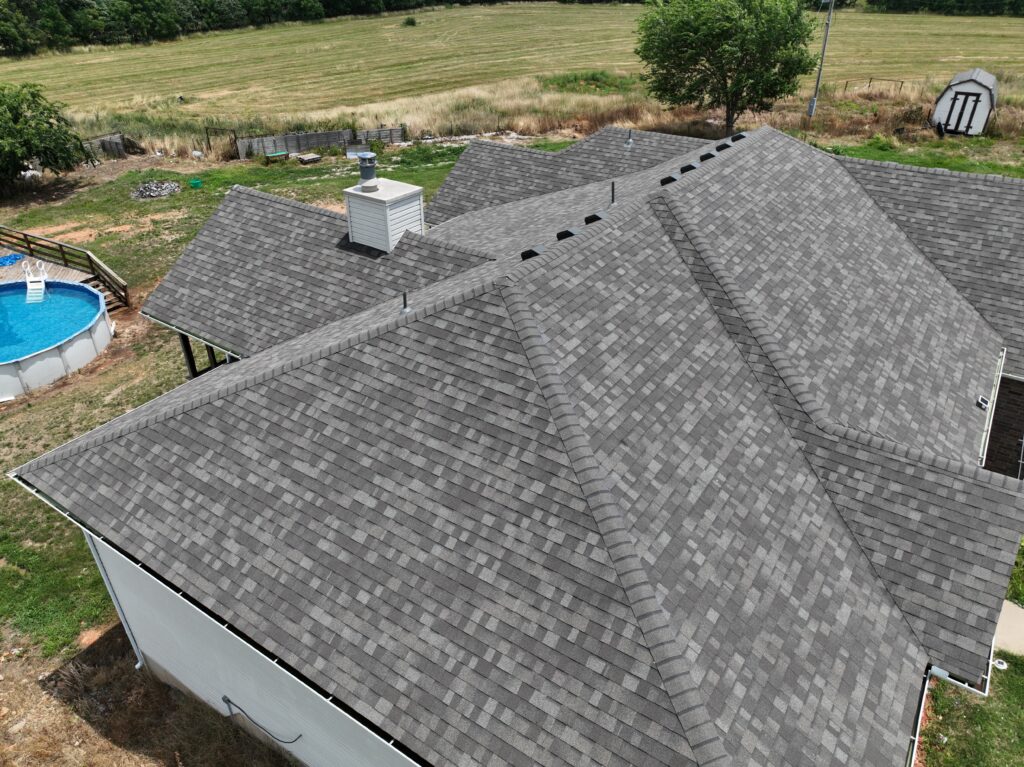
The attic space below your roof acts as a heat trap during Arkansas summers, and that trapped heat causes serious damage from the inside out. When sunlight beats down on the roof surface, the heat radiates through the decking and into the attic, where temperatures can climb above 140 degrees on a hot afternoon. That extreme heat bakes the underside of the roof decking, drying out the wood and weakening its structural integrity over time. Plywood and OSB decking can begin to delaminate, warp, or develop soft spots when exposed to this kind of sustained heat year after year. Once the decking weakens, it can no longer hold nails securely, which leads to shingle blow-offs during storms. The damage is invisible from the outside, so most homeowners do not realize it is happening until a roofer pulls back the shingles during a repair or replacement.
Poor attic ventilation makes this problem dramatically worse and is one of the most common issues we find on older Arkansas homes. A properly ventilated attic uses a balanced system of intake vents along the soffits and exhaust vents along the ridge or roof slope to keep hot air moving out. When that balance is off, hot air stagnates in the attic and continues heating the roof decking from below, which essentially doubles the heat exposure on your shingles. Many homes built before modern ventilation codes were established have inadequate intake or exhaust pathways, leading to premature roof failure. Insulation in the attic can also block soffit vents if it was installed incorrectly, which traps even more heat. Adding ridge vents, gable vents, or powered attic fans can extend the life of a roof by years, but the design must be balanced to work properly.
Moisture problems often follow attic heat issues, especially during humid Arkansas summers when warm air carries a heavy water load. As hot, humid air builds up in a poorly ventilated attic, condensation can form on cooler surfaces like nails, ductwork, and the underside of the decking. That moisture rots wood, rusts metal fasteners, and creates the perfect environment for mold growth, which then spreads into insulation and framing. Homeowners often discover the damage only when a musty smell appears in upstairs rooms or when a leak finally breaks through the ceiling. The combination of heat and moisture is far more destructive than either factor alone, and it can cut years off the expected lifespan of any roof system. Proper ventilation, vapor barriers, and insulation are all part of a healthy roof, and they should be inspected along with the shingles themselves.
How Summer Heat Damages Your Roof Through Material Breakdown
Asphalt shingles, the most common roofing material on Arkansas homes, are particularly sensitive to heat-driven material breakdown. The asphalt layer inside each shingle is essentially a petroleum product, and like all petroleum-based materials, it loses its flexibility and protective oils when exposed to constant high temperatures. Over time, shingles become brittle and develop tiny cracks across their surface, which spread larger with each thermal cycle. Curling at the edges is one of the first visible signs that the shingle has lost its flexibility and is starting to fail. Cupping, where the center of the shingle rises while the edges stay flat, is another common sign of advanced heat damage on Arkansas roofs. Once these signs appear, the shingles are no longer providing reliable water protection, and replacement should be planned soon rather than later.
Sealant strips on shingles also break down in the heat, even though they were designed to be activated by warm temperatures during installation. The factory-applied adhesive strips that bond each row of shingles together can over-cure in extreme heat, losing their tackiness and grip. When this happens, shingles no longer stay sealed during high winds, and uplift damage becomes much more likely during summer storms. The same heat that helps shingles seal during a roof install can degrade those bonds over many years of exposure. This is why older roofs often lose shingles in clusters during a single storm, while newer roofs of the same brand stand up better. Replacing a roof with high-quality, climate-appropriate shingles installed using proper techniques makes a significant difference in long-term durability.
Other roofing materials face their own heat-related challenges throughout Arkansas summers as well. Metal roofs handle UV better than asphalt, but they expand and contract significantly with temperature changes, which can loosen fasteners and stress seams over time. Wood shake roofs dry out and crack, becoming more susceptible to fire hazards as well as water intrusion. Tile and slate roofs hold up well against heat itself, but the underlayment beneath them can degrade from heat transmitted through the tile. Even modern synthetic materials have temperature limits that affect their warranty coverage. A roofing contractor familiar with Arkansas weather conditions can recommend the right material and installation approach for your specific home, climate exposure, and budget.
Signs Your Roof Is Already Suffering From Summer Heat Damage
Recognizing the early warning signs of heat damage gives you the chance to address problems before they require a full replacement. Many Arkansas homeowners only call a roofer after a leak appears inside the house, but by that point, the damage has usually progressed through multiple layers of the roof system. Visible exterior signs often show up months or years before water makes its way inside. Knowing what to look for can help you catch the issue early, when repairs are still possible and affordable. Some signs are obvious from the ground, while others require a closer inspection by a trained eye. Walking around your home a few times each summer to look at the roof from different angles can save you thousands of dollars in long-term costs.
Signs of Summer Heat Damage on Your Roof Shingles
Curling and cupping shingles are the most common visual signs of heat-related shingle damage and one of the first things to watch for. Curling happens when the corners or edges of a shingle lift up and away from the roof surface, usually because the shingle has dried out and lost its flexibility. Cupping is the opposite effect, where the center of the shingle rises while the edges stay flat, creating a bowl shape on the roof surface. Both conditions indicate that the asphalt has lost its protective oils and is no longer able to lie flat against the decking. Once shingles curl or cup, wind can get under them more easily, and water can run sideways instead of off the roof. From the ground, these issues often look like uneven shadows or rippling patterns across the roof slope.
Granule loss is another major warning sign, and it is one of the easiest to spot for any homeowner. The colored granules on top of each shingle protect the asphalt below from UV exposure, and they slowly wear away over the life of the roof. Heat accelerates this loss because the asphalt softens and releases its grip on the granules, allowing rain to wash them off more easily. You can check for granule loss by looking inside your gutters or at the splash zones beneath downspouts, where the small particles tend to collect. On the roof itself, areas of granule loss appear as darker patches, often on the slopes that face south or west. Significant granule loss means the shingle is approaching the end of its protective life and should be evaluated by a professional. If you have noticed granules in your gutters, click here to schedule a free roof inspection with our team.
Cracks, blisters, and splits in shingles also signal advanced heat damage that should not be ignored. Blisters appear as small raised bubbles on the shingle surface, caused by trapped moisture or gases inside the asphalt expanding under heat. When those blisters break open, they expose the lower layers of the shingle to direct UV and water damage. Cracks tend to run along the length of the shingle or branch out from the nail areas, creating direct paths for water to reach the decking below. Splits go all the way through the shingle and are often a result of thermal stress combined with structural movement in the roof. Any of these conditions means the shingle has failed at a material level and needs to be replaced before the damage spreads further into the roof system.

Signs of Summer Heat Damage Inside Your Attic and Home
Heat damage often shows up inside your attic before it becomes visible from the outside of the home. A simple check of your attic space on a hot afternoon can reveal a lot about how your roof is holding up against Arkansas summer conditions. Look for signs of darkened or warped decking, which indicates the wood is being baked from above and possibly absorbing moisture. Rusted nails poking through the decking suggest that humidity is building up inside the attic and condensing on metal surfaces. Discolored insulation, especially around vents and rooflines, can be a sign of moisture infiltration that started with heat-related ventilation problems. The temperature inside the attic itself is a good indicator; if it feels dramatically hotter than the outside air, your ventilation is not doing its job.
Sagging or soft spots in the roof decking are more serious signs of long-term heat and moisture damage. When the decking weakens from years of high attic temperatures, it can begin to lose its structural integrity and start to bow between rafters. From inside the attic, you might see the wood sagging slightly between the framing supports, or feel a soft spot when pressing against it. From outside, the roof line may look uneven or wavy along certain sections, especially on older homes. This kind of damage usually means that a portion of the decking needs to be replaced along with the shingles above it. Catching it early can limit the scope of the repair, but ignored decking damage will eventually require a full tear-off and rebuild.
Inside your living space, watch for signs that the upstairs rooms are significantly hotter than the rest of the house. When attic heat is not properly vented, it radiates down through ceilings, causing higher cooling costs and uncomfortable temperatures in bedrooms and other upstairs areas. Stained ceilings, peeling paint, or musty smells in upper rooms can indicate that moisture has found its way past the roof and into the home. Even subtle hairline cracks in drywall along the ceiling can be a sign that heat and moisture cycles are stressing the structure. Higher than normal energy bills during summer months can also point to attic heat issues caused by roof or ventilation problems. Any of these signs is worth a closer look from a qualified roofing contractor to determine the underlying cause.
Signs of Summer Heat Damage Around Roof Flashing and Vents
Flashing damage is one of the most overlooked causes of summer roof problems on Arkansas homes. The metal flashing around chimneys, skylights, walls, and valleys is exposed to the same intense UV and thermal cycling as the shingles themselves. Over time, the sealant used to bond flashing to the roof surface dries out, cracks, and pulls away from the metal. Once that seal fails, water can enter the home along the edges of the flashing, often appearing as ceiling stains far from the actual leak point. Lifted or bent flashing is also common after years of heat exposure, since the metal expands and contracts at a different rate than the surrounding shingles. Any visible separation, rust, or sealant failure around flashed areas should be addressed promptly.
Vent boots and pipe collars are equally vulnerable to summer heat damage and are common entry points for leaks. The rubber gaskets that seal around plumbing vents harden, crack, and shrink after years of UV exposure, creating gaps that allow water to enter during heavy rains. You can often spot a failing vent boot from the ground by looking for split or curled rubber around the base of any pipe sticking up through the roof. These components are relatively inexpensive to replace, but ignoring them can lead to significant interior water damage. Many roof leaks that homeowners assume are coming from the shingles are actually coming from failed vent boots. A complete inspection should always include a close look at every pipe and vent penetration on the roof.
Ridge vents, gable vents, and powered attic fans should also be checked regularly for signs of heat-related damage and reduced performance. Plastic ridge vents can warp or crack under intense sun exposure, reducing their ability to release hot air from the attic. Metal vent components can rust where coatings have worn off, and screws or fasteners can loosen over time. Bird and pest screens behind vents can become clogged with debris, blocking airflow and worsening attic heat buildup. Powered attic fans rely on motors that can wear out or fail, especially if they are running constantly during hot summer months. Each of these components plays a role in keeping your roof and attic at a healthy temperature, and any failure puts more strain on the rest of the system.
Why You Need Professional Roof Inspections Before and After Summer
Scheduling a professional roof inspection at the start and end of each summer is one of the smartest steps you can take as an Arkansas homeowner. Summer brings the harshest conditions of the year for any roof, and the cumulative damage from June through September can be significant. Catching problems early, before fall storms and winter weather pile on additional stress, helps extend the life of your roof and protect the rest of your home. Toro Construction has been performing free roof inspections across Bentonville and Northwest Arkansas since 2002, helping homeowners stay ahead of summer heat damage. Our team knows exactly what to look for and how to recommend the right repairs for your specific situation.
Why You Need Professional Roof Inspections to Catch Heat Damage Early
A professional roof inspection goes far beyond what a homeowner can see from the ground or from a quick look in the attic. Trained inspectors check every component of the roof system, including the shingles, decking, flashing, vents, gutters, and attic ventilation. They know the subtle signs of early heat damage that most people miss, like minor granule loss patterns, slight curling on specific slopes, and small cracks in sealants. Catching these issues early means repairs can be targeted and affordable, rather than waiting until a full replacement is the only option. Many heat-related problems can be fixed with simple maintenance steps if caught in time. Without regular inspections, those small issues often grow into much larger problems within just a few summer seasons.
Inspections also document the current condition of your roof, which is valuable for insurance and warranty purposes. If a storm hits later in the season and causes damage, having a recent inspection on file makes it easier to prove that the new damage was caused by the storm rather than pre-existing wear. This kind of documentation can be the difference between an approved insurance claim and a denied one. Many manufacturer warranties also require regular professional maintenance to remain valid, and an inspection provides the paperwork to back that up. Toro Construction provides detailed inspection reports that homeowners can keep on file for years to come.
A free inspection from a trusted local company also gives you peace of mind during one of the most weather-active times of year. Knowing the exact condition of your roof helps you plan for future repairs, budget for replacement when the time comes, and avoid unexpected emergency calls. It also lets you ask questions and learn how to better care for your roof between professional visits. Honest recommendations are part of what sets a trustworthy roofer apart from the rest of the industry. Our team focuses on giving Arkansas homeowners the information they need to make smart decisions, not on pushing unnecessary work.
Why You Need Professional Roof Inspections After Summer Storms
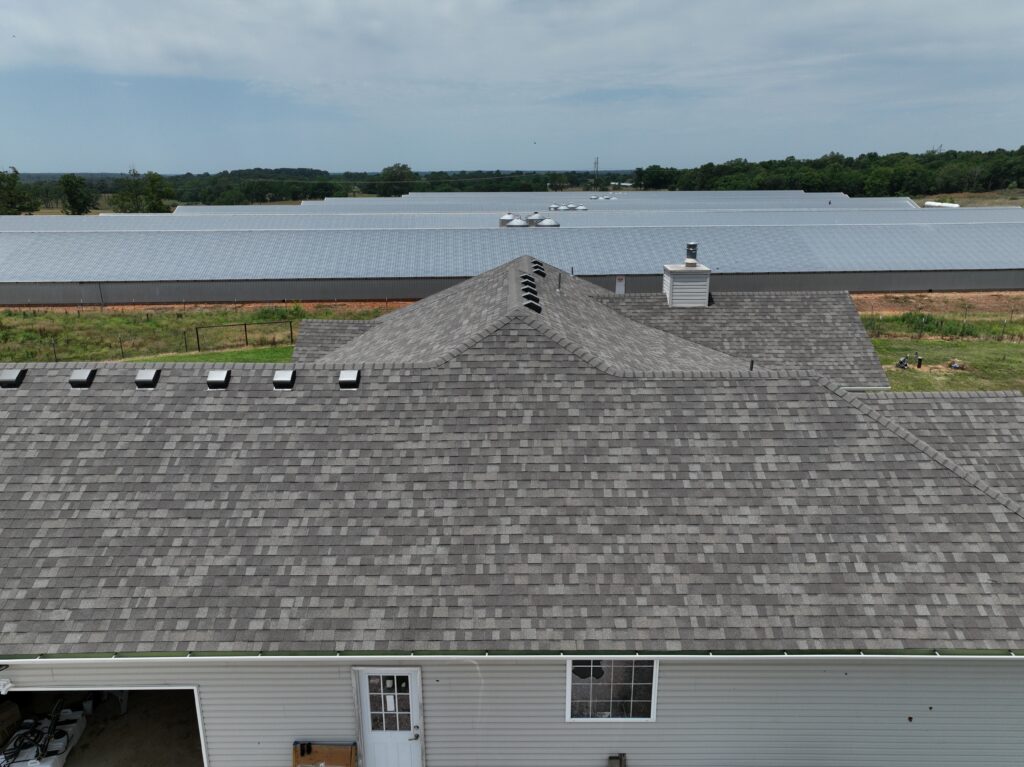
Summer in Arkansas brings frequent thunderstorms, high winds, hail, and even tornadoes that can cause sudden roof damage on top of the slower heat-related wear. A roof that is already weakened by months of UV exposure and thermal cycling is far more vulnerable to storm damage than a fresh one. After any major storm, a professional inspection helps identify hidden damage that may not be obvious from the ground or even from a quick rooftop look. Hail damage in particular can be subtle, leaving small bruises on shingles that only a trained eye can spot. Wind damage may show up as lifted shingles, loose flashing, or damaged ridge caps that need immediate attention.
Insurance claims for storm damage often have strict time limits, and prompt inspections protect your ability to file a claim if needed. Many policies require that damage be reported within a certain number of days, and waiting too long can result in a denied claim. A professional inspection provides the documentation and evidence needed to support an insurance claim, including photos, measurements, and detailed notes. Our team has worked with countless insurance claims across Arkansas and understands how to communicate roof damage clearly to adjusters. If you suspect storm damage to your roof, click here for our 24/7 emergency storm damage response.
Post-storm inspections also help you prioritize repairs based on urgency and budget. Not every damaged area needs immediate attention, but some problems can quickly turn into major leaks if left alone. A skilled inspector can tell you which repairs need to happen this week, which can wait until next month, and which are part of long-term planning for an eventual replacement. This kind of guidance helps homeowners avoid both unnecessary spending and dangerous delays. Toro Construction takes pride in giving straightforward advice based on what your roof actually needs, not on selling the most expensive option.
Why You Need to Choose Toro Construction for Your Roof Inspection and Repair
Toro Construction has served Arkansas homeowners since 2002, building a reputation for honest work, quality materials, and reliable communication on every project. Our team is licensed and insured in Arkansas, giving homeowners peace of mind throughout the entire inspection and repair process. We offer a 20-year craftsmanship warranty on qualifying roofing projects, which reflects the confidence we have in our installation methods and material choices. With more than two decades of local experience, we understand exactly how Arkansas weather affects roofs and what it takes to make them last. Our crews are trained to handle everything from minor repairs to complete replacements, all with the same attention to detail.
Our services go beyond roofing to include water restoration, fire restoration, and home remodeling, making us a single trusted partner for protecting and improving your home. This means that if summer heat damage leads to leaks and water intrusion, we have the IICRC certified team in place to handle the cleanup and repairs without needing to bring in outside contractors. Our integrated approach saves homeowners time, money, and stress during what can be a difficult situation. We also offer financing options for larger projects, helping families manage the cost of necessary repairs or upgrades. Free roof inspections come with honest recommendations and no high-pressure sales tactics.
When you choose Toro Construction, you choose a team that is focused on protecting and increasing the value of your property for the long term. Our community-focused approach means we treat every homeowner like a neighbor, because in many cases, that is exactly what they are. Strong communication from start to finish keeps you informed at every stage of the process, from the initial inspection to the final walkthrough. Reliable timelines and organized project management mean that the work gets done when promised, without surprises or delays. Call Toro Construction at (479) 877-7121 or email info@toroconstructionco.com to schedule your free summer roof inspection today.