
Discovering water in your home where it does not belong creates an immediate sense of urgency. A burst pipe in the basement or a leaking roof during an Arkansas storm changes your plans for the day instantly. Many homeowners instinctively reach for a mop and a bucket. The desire to fix the problem yourself is natural. You want to protect your property and you want to save money. However, water damage is deceptive. What looks like a small puddle on the surface often indicates a much larger saturation issue underneath. Knowing when to call a professional restoration team is the difference between a minor inconvenience and a major structural disaster.
Water is a unique force that defies simple cleanup methods once it penetrates building materials. It follows the path of least resistance and wicks into drywall, insulation, and subflooring. It moves laterally behind baseboards and travels down through floor cavities. The visible water is usually just a fraction of the total volume that has entered your home. Professional restoration is not just about removing the water you can see. It is about locating and removing the water you cannot see. Toro Construction serves the Bentonville area with advanced restoration services to handle these complex situations. We understand the science of drying and the risks associated with improper mitigation.
The Severity of the Water Source
The first factor in determining if you need professional help is the source of the water. Not all water is the same. The industry categorizes water into three types based on the level of contamination. Category one water comes from a sanitary source like a broken supply line or a melting ice maker. This water is generally safe to handle if addressed immediately. You might be able to clean up a small spill from a clean source if it is contained to a non porous surface like tile.

Category two water contains significant contamination and has the potential to cause discomfort or sickness. This type of water comes from washing machine overflows, dishwasher discharge, or toilet overflows with urine but no feces. You should not attempt to clean this up without proper protective equipment. The bacteria and chemicals present in this water require specialized cleaning agents to neutralize.
Category three water is grossly contaminated and contains pathogens that cause serious illness or death. This includes sewage backups, flooding from rivers, and standing water that has supported microbial growth. You must never attempt to clean up category three water yourself. It requires professional remediation with strict safety protocols. Professionals use personal protective equipment and containment barriers to prevent the spread of bacteria. Calling a certified restoration company is a health requirement in these scenarios.
The Volume and Migration of Water
A spilled cup of water is a DIY job. A burst pipe that runs for three hours while you are at work is a professional job. The volume of water dictates the drying strategy. When a large amount of water enters a room, it saturates the porous materials completely. Carpet padding acts like a sponge and can hold thousands of gallons of water. Drywall absorbs water and wicks it upward against gravity. This migration can ruin walls two feet above the floor even if the standing water was only an inch deep.
You need professional extraction equipment when the water has migrated into the structure. Shop vacuums and rental carpet cleaners are not powerful enough to remove water from deep within the pad and the subfloor. Professionals use truck mounted extraction units that generate immense vacuum lift. We use weighted tools that compress the carpet and pad to force the water out. Removing the physical water is the most critical step in the drying process. The more water we extract physically, the less time it takes to dry the remaining moisture through evaporation.
Migration also involves water moving into hidden cavities. Water can run under the sill plate of a wall and soak the insulation inside the wall cavity. It can drip through the floor and pool on top of the ceiling below. You cannot reach these areas with a towel. We use moisture meters and thermal imaging cameras to track the migration. We know exactly where the water went and we have the tools to dry those hard to reach places without necessarily tearing the house apart.
The Science of Structural Drying
Drying a building is a scientific process known as psychrometry. It involves manipulating the temperature and humidity of the air to force moisture to evaporate from wet materials. Simply opening the windows or turning on a ceiling fan is rarely sufficient. In fact, opening windows in Bentonville during a humid summer day can actually add moisture to the environment and slow down the drying process.
Need water restoration for your home? Click here for our water restoration service.
Professional restoration relies on a balanced system of air movement and dehumidification. We install high velocity air movers that create a vortex of airflow across wet surfaces. This airflow breaks the boundary layer of moisture at the surface and accelerates evaporation. However, evaporation puts water vapor into the air. If that vapor is not removed, the air becomes saturated and drying stops.
This is where commercial dehumidifiers come into play. We use industrial grade low grain refrigerant dehumidifiers. These machines pull huge amounts of moisture from the air and condense it into liquid water that is pumped away. We calculate the exact number of air movers and dehumidifiers needed based on the cubic footage of the room and the class of water damage. This calculation ensures that the environment remains optimal for drying. Attempting to dry a saturated room without dehumidification can lead to secondary damage where the humidity causes ceiling tiles to sag and wood to warp.
The Risk of Mold Growth
Time is the enemy when dealing with water damage. Mold spores are present in every home environment. They remain dormant until they are exposed to moisture and a food source. Wet paper, wood, and drywall provide the perfect buffet for mold. Microbial growth can begin within twenty four to forty eight hours of water exposure. This short timeline means you have a very narrow window to get the structure dry.

DIY drying often leaves pockets of moisture behind. You might get the carpet dry to the touch but fail to dry the subfloor underneath. This trapped moisture creates a humid microclimate where mold thrives. You might not see the mold growing inside the wall cavity or under the floorboards until it is too late. By the time you smell the musty odor or see the growth, the damage is extensive and remediation becomes much more expensive.
Professional restoration focuses on speed. We work around the clock to bring moisture levels down below the threshold for mold growth. We apply antimicrobial treatments to affected surfaces to inhibit bacteria and mold during the drying process. Our goal is to prevent the biological issue before it starts. If you wait a few days to see if things dry out on their own, you are gambling with the air quality of your home.
Electrical and Structural Safety Hazards
Water damage creates immediate safety risks that a homeowner might not recognize. Water and electricity are a lethal combination. If water has breached an outlet, a light fixture, or an appliance, the risk of shock or electrocution is real. You should never step into a flooded basement or room without knowing that the power is off. A professional team assesses the electrical safety before starting work. We have the training to identify hazards and the protocols to work safely around them.
Structural integrity is another concern. Water adds immense weight to building materials. A ceiling that is holding water can collapse without warning. Saturated drywall can fall off the studs. Weakened subfloors can give way under foot traffic. We know how to inspect the structure for stability. We know which materials are salvageable and which ones are too compromised to save.
Hardwood floors present a specific structural challenge. When hardwood absorbs water, the boards swell and push against each other. This pressure can cause the floor to cup or buckle. In severe cases, the expansion force is strong enough to push walls off the foundation. Professional drying systems can sometimes save hardwood floors if deployed quickly. We use specialty mat systems that draw moisture out of the wood from above. Attempting to dry hardwoods without this equipment usually results in permanent damage that requires total replacement.
Dealing with Insurance Claims
Most significant water damage events are covered by homeowner insurance policies. Navigating the claims process is complicated and requires detailed documentation. Insurance adjusters need proof of the damage and justification for the repairs. If you handle the cleanup yourself, you might not generate the necessary records to get full reimbursement. You might throw away damaged items that needed to be photographed or fail to document the source of the leak properly.
Professional restoration companies work with insurance carriers every day. We speak their language. We use the same software systems to sketch the affected area and estimate the costs. We provide a daily drying log that records moisture readings from the air and the materials. This scientific data proves that the equipment was necessary and that the drying goals were met.
Hiring a professional protects your financial interest. We advocate for the proper scope of work. Adjusters might overlook hidden damage or underestimate the cost of specialized drying. We ensure that the claim covers everything needed to return your home to its pre loss condition. We handle the communication and the paperwork so you can focus on your family.
Saving Personal Property and Contents
Water damage affects more than just the house. It affects your furniture, clothes, documents, and sentimental items. Rapid response is essential for salvaging these contents. Wood furniture sitting in water will absorb moisture into the legs causing stains and splitting. Metal furniture legs will rust and stain the carpet. Books and photographs will swell and fuse together.
Want to know the first step in water restoration? Click here for more information.
Professional restoration includes content manipulation and preservation. We move furniture out of the wet area or block it up on foam pads to break contact with the water. We pack out damaged items to a secure facility for cleaning and drying. We have access to specialized drying chambers for documents and electronics.
Attempting to clean and dry sensitive items yourself often leads to further damage. Using the wrong cleaning agents on wet upholstery can set stains permanently. Drying wood furniture too fast can cause it to crack. We have the expertise to evaluate what can be saved and the techniques to save it. We provide a detailed inventory of non salvageable items for your insurance claim to ensure you are reimbursed for your personal property losses.
The Limitations of Rental Equipment
Homeowners often try to mitigate costs by renting equipment from a local hardware store. While rental centers offer fans and dehumidifiers, they are typically residential grade units. They lack the power and capacity of the industrial equipment used by Toro Construction. A rental dehumidifier might remove thirty pints of water a day. Our commercial LGR dehumidifiers can remove over one hundred pints a day.
The difference in performance is massive. Using underpowered equipment extends the drying time significantly. Every extra day the materials stay wet increases the risk of mold and permanent structural damage. You might save money on the daily rental rate but end up paying far more for repairs because the drying was ineffective.
Furthermore, renting the equipment does not come with the knowledge of how to use it. Simply placing a fan in the middle of the room is not a drying strategy. You need to know how to set up airflow patterns and how to balance the atmospheric conditions. You need moisture meters to know when to move the equipment and when to remove it. Professional service includes the equipment and the operator expertise.
Specialized Materials Require Specialized Care
Different building materials react to water in different ways. Drywall loses its strength when wet but can often be dried in place if the water is clean. Plaster is more resilient but takes longer to dry. Insulation usually needs to be removed because it loses its R value and resists drying. Concrete looks solid but is actually porous and holds moisture that can interfere with new flooring installation.
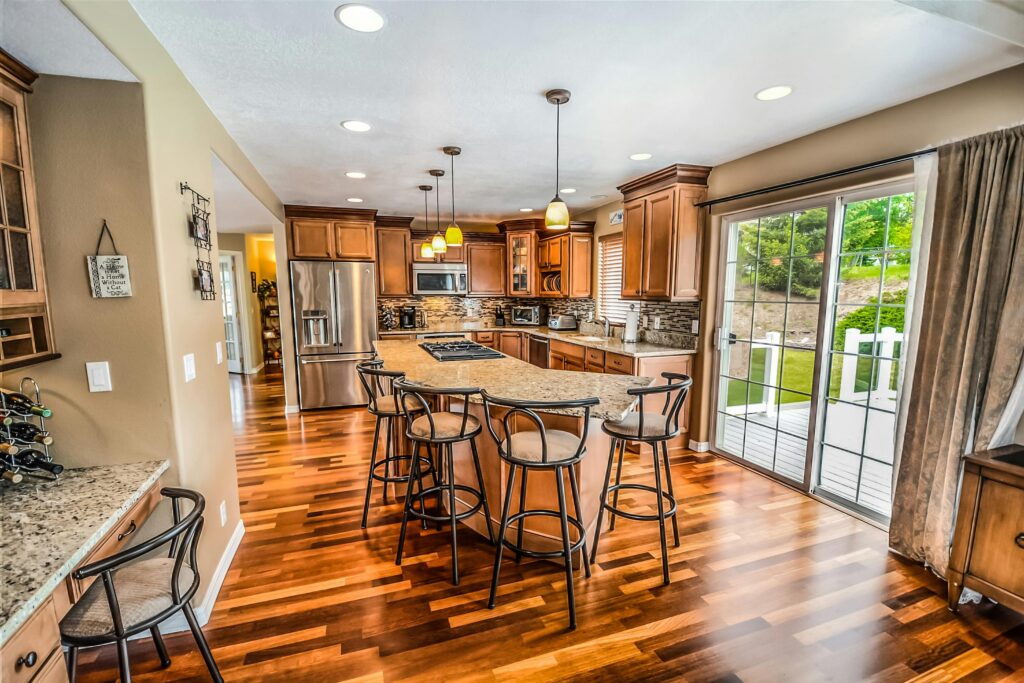
Cabinets and vanities are particularly difficult to dry. Water gets trapped underneath and behind them. Without specialized drying techniques, the cabinets will warp and mold will grow on the wall behind them. We use injection drying systems to force warm dry air into these cavities without removing the cabinetry. This saves thousands of dollars in replacement costs.
Vinyl flooring and laminate act as vapor barriers. Water that gets underneath them cannot evaporate upwards. It sits there and rots the subfloor. We know when flooring needs to be removed to save the structure and when it can be dried in place. Making the wrong call on these materials leads to long term issues that might not appear for months.
Water damage is a complex event that requires a swift and calculated response. While minor spills can be handled with a mop, significant water intrusion demands professional restoration. The risks of structural damage, mold growth, and safety hazards are too high to ignore. Professional restorers bring the heavy equipment, the scientific knowledge, and the insurance expertise needed to navigate the disaster. Toro Construction is committed to helping Bentonville residents recover from water damage efficiently and effectively. We prioritize your safety and the integrity of your home. We turn a chaotic situation into a managed process. Recognizing when you are out of your depth is the most important step in protecting your investment. Call a professional immediately when water threatens your home and ensure that the job is done right the first time.