
Disasters rarely happen at a convenient time. A pipe bursts in the middle of the night, a storm tears a hole in the roof while you are at work, or a kitchen fire breaks out just before dinner. The initial shock of seeing your home damaged is overwhelming. You are faced with a chaotic scene and a long list of decisions to make. In these moments of uncertainty, the most critical factor is the speed of your reaction. Time is the absolute enemy of restoration. Whether you are dealing with water intrusion or the aftermath of a fire, the clock starts ticking the second the event occurs. Every minute that passes without professional intervention allows the damage to spread and deepen.
The concept of restoration is built on the principle of mitigation. Mitigation means taking immediate steps to reduce the severity of the loss. Bentonville homeowners who act quickly often face a manageable repair process that takes a few days or weeks. Those who wait, even just for a day or two, often face a complete reconstruction project that can drag on for months. The difference lies in how building materials react to exposure. Water wicks into places you cannot see. Smoke residue eats away at finishes. Biology takes over as mold spores find a foothold. Understanding the physics and chemistry of disaster allows you to appreciate why a fast response is not just a service guarantee but a requirement for saving your home.
The Immediate Absorption Phase
Building materials are designed to be stable and dry. When water enters the equation, the physical properties of these materials change instantly. Drywall, which is essentially gypsum powder sandwiched between paper, acts like a sponge. It draws water upward against gravity through capillary action. Within minutes of a flood, the water line on your wall can rise several inches above the standing water level on the floor. As the drywall saturates, it loses its structural integrity. It becomes soft and heavy. Eventually, it crumbles or bows under its own weight. If the water is extracted within the first few hours, the drywall can often be dried in place and saved. If it sits for a day, it usually has to be cut out and replaced.
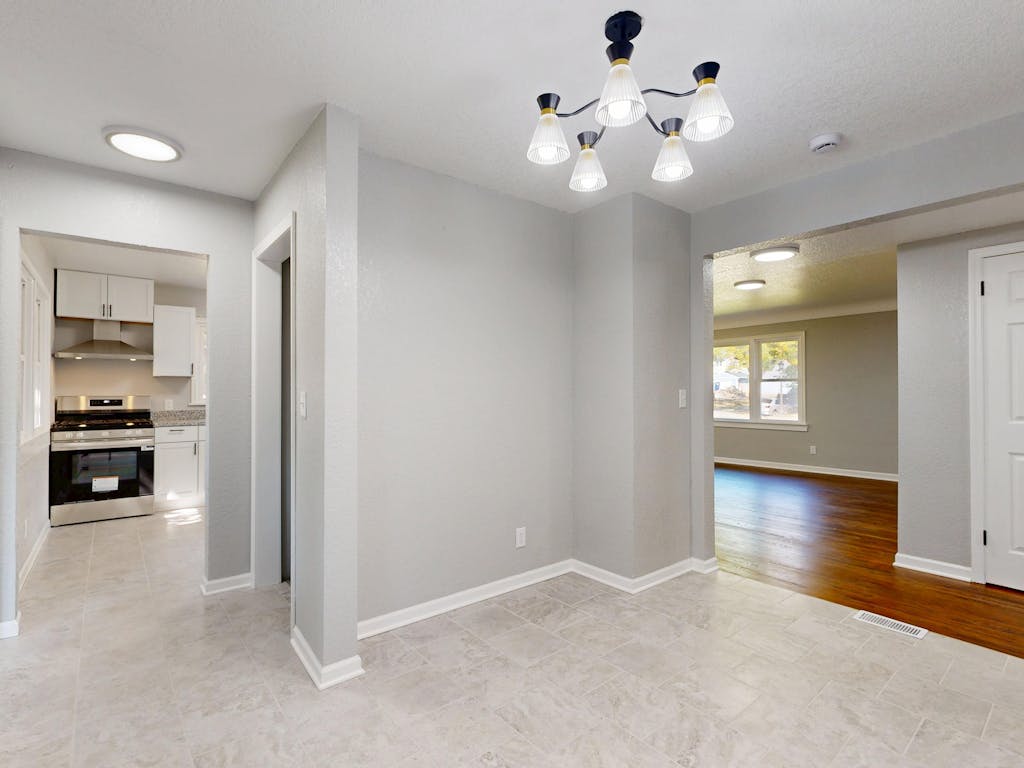
Wood is another porous material that suffers from immediate exposure. Hardwood floors are a significant investment for any homeowner. When water sits on top of a hardwood floor, it seeps into the cracks between the boards. The wood fibers absorb the moisture and begin to swell. This swelling creates pressure between the boards, leading to a condition known as cupping. Cupping is when the edges of the board sit higher than the center. If the water is removed immediately and specialized drying mats are applied, the wood can release the moisture and return to its flat shape. However, if the water remains for too long, the cellular structure of the wood is permanently altered. The finish creates a barrier that traps the moisture inside, and the floor is ruined beyond repair.
Insulation also plays a critical role in the initial phase of damage. Fiberglass insulation works by trapping pockets of air. When it gets wet, the glass fibers clump together and the air pockets fill with water. The insulation loses its R-value, meaning it no longer regulates the temperature of your home. Wet insulation inside a wall cavity also acts as a wet blanket against the wood studs. It prevents the studs from drying and accelerates rot. In almost all cases where water has been sitting, insulation must be removed. A fast response time allows professionals to open up the walls and remove this wet material before it transfers moisture to the structural framing of the house.
The Timeline of Microbial Growth
The most feared consequence of water damage is mold. Mold spores are microscopic and omnipresent in our environment. They float in the air and settle on surfaces throughout your home. Under normal conditions, they are harmless. However, when you add moisture and a food source to the equation, they begin to germinate. Building materials like drywall paper, wood, and dust provide the food. The water intrusion provides the moisture. The timeline for this biological activation is surprisingly short. Mold can begin to grow within twenty-four to forty-eight hours of the initial water exposure.
Need water restoration for your home? Click here for our water restoration service.
This forty-eight-hour window is the golden rule of the restoration industry. If the structure can be dried to a safe level within this timeframe, the risk of mold growth is significantly reduced. This does not mean the drying has to be finished in two days, but the environment must be stabilized. This involves removing the standing water and lowering the relative humidity. Once the humidity is under control, the mold spores go back into a dormant state. If you wait to call a professional, you are allowing the environment to remain perfect for microbial reproduction.
Once mold colonies establish themselves, the restoration process changes from a standard water cleanup to a mold remediation project. Remediation is far more complex and expensive. It requires containment barriers to prevent spores from spreading to unaffected areas of the home. It requires negative air pressure machines and HEPA filtration. It often requires the removal of materials that could have otherwise been saved. The difference in cost between drying a wet room and remediating a moldy room is massive. A fast response effectively eliminates the need for these extreme measures.
Secondary Damage from Humidity
Water damage is not limited to the area where the puddle exists. Water evaporates naturally, turning into water vapor. In a closed environment like a house, this evaporation raises the relative humidity of the air. When the air becomes saturated, it looks for places to deposit that moisture. It will condense on cool surfaces throughout the home, even in rooms that were not directly affected by the flood. This phenomenon is known as secondary damage. It is a silent destroyer that catches many homeowners off guard.

You might have a leak in the kitchen, but the high humidity causes the ceiling tiles in the living room to sag. It can cause vinyl wallpaper in the hallway to peel as moisture gets trapped behind it. It can even cause wood furniture in a bedroom to swell and crack. This secondary damage expands the scope of the loss significantly. What started as a localized plumbing issue has now affected the entire climate of the home.
Professional restoration teams understand the science of psychrometry, which is the study of moist air. We do not just remove the water from the floor. We manage the atmosphere of the house. We install commercial grade dehumidifiers that pull gallons of water out of the air every day. This keeps the humidity levels low and prevents moisture from migrating to dry materials. A fast response ensures that the dehumidification process begins before the air saturation reaches critical levels.
The Corrosive Nature of Fire Residue
Fire damage presents a different set of challenges where time is equally critical. The flames cause immediate destruction, but the smoke causes progressive damage. Smoke is not just soot and ash. It is a complex mixture of chemicals produced by the incomplete combustion of materials. Modern homes are filled with synthetic materials like plastics, foams, and treated fabrics. When these burn, they release highly acidic byproducts. This acidic residue settles on every surface in the home.
Want to know what to do after a house fire? Click here for more information.
Within minutes of the fire being extinguished, the acid begins to attack. It settles on bathroom faucets, kitchen appliances, and metal window frames. The acid pits and corrodes the metal. If it is cleaned within a few hours, the metal can often be restored. If it sits for days, the pitting becomes permanent, and the fixtures must be replaced. The same applies to glass and mirrors. The residue etches the surface of the glass, leaving a cloudy appearance that cannot be polished out.
Plastic surfaces and fiberglass fixtures will discolor within minutes to hours. The porous nature of these materials allows the smoke to penetrate deep into the surface. A fast response allows restoration technicians to apply alkaline cleaning agents that neutralize the acid. This stops the chemical reaction in its tracks. We also apply oil based coatings to metal surfaces to create a barrier against the air, halting the corrosion process. Every hour that the residue sits on your belongings reduces the chance of saving them.
Insurance Coverage and Mitigation Duties
Most homeowners rely on their insurance policy to cover the cost of restoration. However, few people read the fine print regarding their duties after a loss. Nearly every insurance policy includes a clause that requires the policyholder to mitigate damages. This means you are contractually obligated to take reasonable steps to prevent the damage from getting worse. If a pipe bursts and you ignore it for a week, the insurance company may deny the claim for the resulting mold and rot, citing negligence.
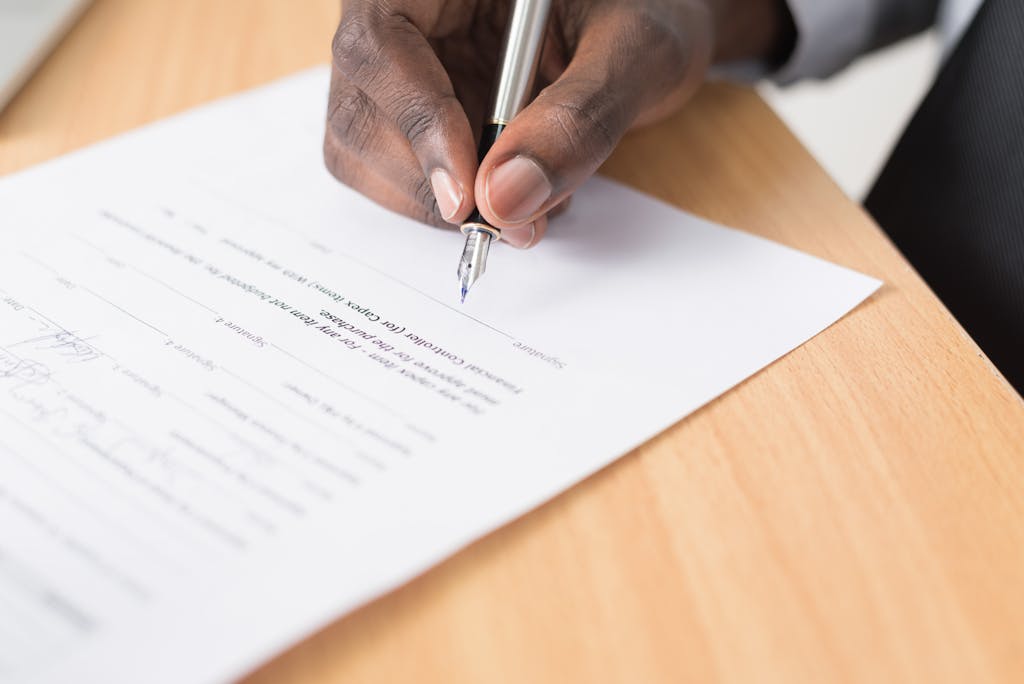
A fast response is your best evidence of compliance with your policy. By calling a professional restoration company immediately, you demonstrate that you are taking the situation seriously. We document every step of the process. We record the time of arrival, the initial moisture readings, and the equipment set up. This documentation serves as proof that the damage was addressed promptly. It justifies the costs of the claim and protects you from disputes with the adjuster.
Furthermore, minimizing the total cost of the claim benefits you in the long run. Insurance companies track the claims history of a property. Massive claims that result from negligence can lead to higher premiums or difficulty getting coverage in the future. By acting fast and keeping the repair costs down, you are being a responsible homeowner. You preserve your coverage limits for unexpected events rather than wasting them on damage that could have been prevented.
The speed at which you respond to a disaster defines the outcome of the recovery. It is the difference between drying a carpet and replacing a subfloor. It is the difference between wiping down a faucet and buying a new vanity. The forces of nature do not pause to let you catch your breath. Water continues to wick, mold continues to grow, and acid continues to corrode until someone intervenes. Toro Construction understands the urgency of these situations. We are built to respond quickly because we know that your home is on the line. We serve the Bentonville community with a commitment to rapid deployment and scientific restoration methods. We do not just clean up the mess. We arrest the damage and reverse the effects of the disaster. When you face a crisis, do not hesitate. Make the call immediately and give your home the fighting chance it deserves.