
Water intrusion is a disruptive event that forces homeowners to act quickly to save their property. You might come home to find a pipe has burst in the laundry room or discover that a heavy storm has pushed water into your basement. The immediate mess is stressful enough but the real danger often lies in what happens after the water is gone. Mold is a persistent and damaging force that takes advantage of damp conditions to establish a foothold in your home. It does not take long for a wet carpet to turn into a biological hazard. Bentonville residents know that our humid climate provides the perfect backdrop for microbial growth. Preventing mold is not just about cleaning up a spill. It is about systematically removing moisture from the structure of your home before spores have a chance to colonize.
The window of opportunity to prevent mold is surprisingly short. Mold spores are microscopic and exist naturally in the air we breathe. They are generally harmless until they land on a wet surface that contains organic material. Drywall, wood, and cotton are essentially food for mold. Once the spores settle on these damp materials they can begin to grow within twenty four to forty eight hours. This strict timeline dictates every step of the restoration process. You cannot wait until the weekend to deal with a Wednesday flood. Every hour that building materials remain saturated increases the likelihood of a mold infestation that could threaten the health of your family and the value of your home.
Understanding the Conditions for Growth
Mold needs three things to thrive which are moisture, organic food sources, and the right temperature. You cannot control the food source because your home is built with wood and drywall. You cannot easily control the temperature because mold grows well in the same comfortable climate that humans prefer. The only variable you can control is moisture. Controlling moisture is the absolute key to mold prevention. This means doing more than just soaking up the puddles. It means lowering the moisture content of the structural materials to a level where mold cannot survive.

The type of water involved also plays a role in how fast mold develops. Clean water from a supply pipe is the easiest to manage if caught early. However, water that is already contaminated with dirt or bacteria accelerates the risk. Flood water from the outdoors brings its own ecosystem of microorganisms into your home. This dirty water makes the environment even more hospitable for mold. The porous nature of modern building materials works against you in this scenario. Drywall acts like a wick and pulls water upward against gravity. This spreads the moisture far beyond the initial point of intrusion and creates a larger surface area for potential growth.
The Urgency of Water Extraction
The most effective way to stop mold is to physically remove the water from the home as fast as possible. Standing water is a constant source of humidity that saturates the air and everything it touches. You need to use powerful extraction equipment to pull the water out of carpets and floors. A standard shop vacuum is rarely sufficient for significant water losses. It lacks the power to pull water from the carpet pad or the subfloor. Professional extraction units use strong suction and weighted tools to squeeze the water out of porous materials.
Leaving water in the carpet pad is a common mistake that leads to mold. The surface fibers might feel dry to the touch but the sponge like pad underneath stays wet for days. This trapped moisture creates a humid microclimate right against the wood subfloor. Mold loves these dark and damp spaces. Thorough extraction removes the bulk of the water and significantly reduces the amount of evaporation required to finish the drying process. The less water left behind, the faster the structure reaches a safe moisture level.
Removing Compromised Materials
There are times when drying is not enough and materials must be removed to prevent mold. Porous materials that have been saturated with dirty water usually cannot be saved. Carpet padding is almost always removed and replaced because it is inexpensive and nearly impossible to clean thoroughly. Insulation is another material that must go. When fiberglass or cellulose insulation gets wet it loses its ability to resist heat transfer and it resists drying. Wet insulation sitting inside a wall cavity will keep the wood studs wet for a long time.
Need water restoration for your home? Click here for our water restoration service.
Drywall is often a casualty of water intrusion. If the water was clean and the drying starts immediately, drywall can sometimes be saved. However, if the water has wicked up the wall significantly or if it sat for more than a day, cutting out the wet drywall is the safer option. This is known as a flood cut. Removing the bottom section of the drywall allows air to circulate inside the wall cavity. This airflow is crucial for drying the wooden framing members. Leaving wet drywall in place traps moisture inside the wall and guarantees a hidden mold problem later.
Baseboards and trim should also be removed in affected areas. Water gets trapped behind the baseboards and prevents the bottom edge of the drywall from drying. The small gap behind the trim is a common place to find the first signs of mold growth. Carefully prying off the baseboards allows the wall to breathe and gives you access to treat the area behind them.
The Science of Structural Drying
Drying a home is a scientific process that relies on physics. You have to manipulate the environment to force water to evaporate from wet materials. This involves balancing temperature, airflow, and humidity. Simply pointing a fan at a wet wall is not a complete strategy. You need to create a specific airflow pattern that moves dry air across the wet surfaces. This movement breaks the boundary layer of moisture and pulls water vapor into the air.
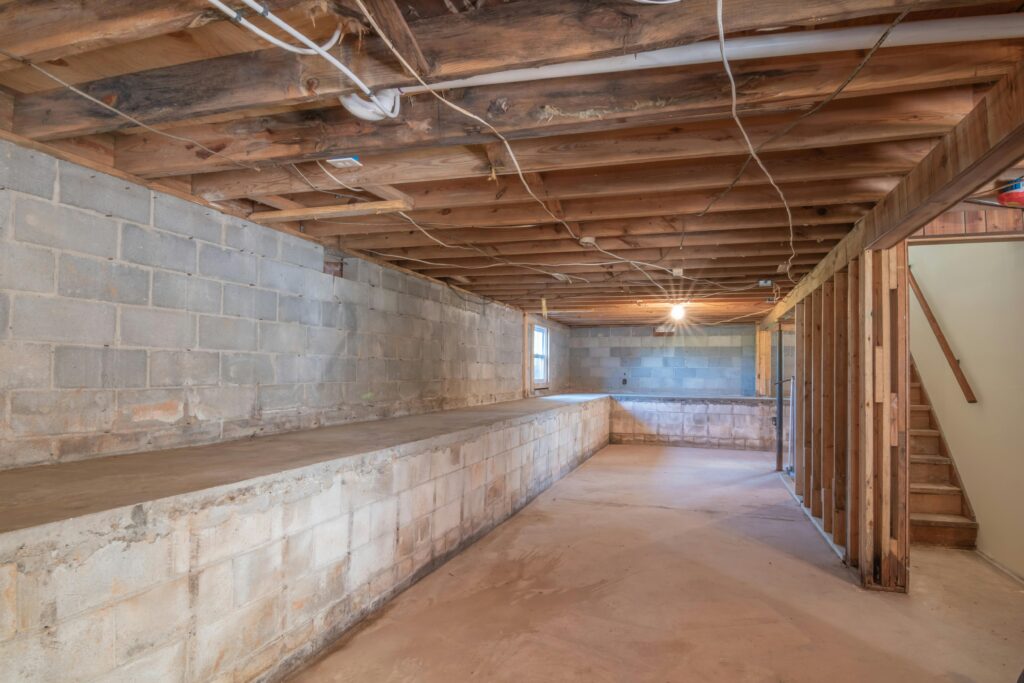
However, once that water is in the air, it has to go somewhere. If the humidity in the room rises too high, the evaporation process stops. This is why dehumidification is essential. We use industrial grade dehumidifiers to pull moisture out of the air and condense it into liquid water that is pumped away. Keeping the relative humidity low encourages the moisture in the walls and floors to release into the air. It is a continuous cycle of evaporation and dehumidification.
Bentonville humidity adds a layer of complexity to this process. Opening windows is often the wrong move in Arkansas. If the outside air is humid, you are just bringing more moisture into the home. Professional drying creates a closed system where the indoor environment is controlled regardless of the weather outside. This control is necessary to achieve the rapid drying times required to beat the mold clock.
Airflow and Ventilation Management
Proper airflow management prevents stagnant pockets of air where mold can take hold. Air movers are placed strategically to create a vortex of air in the room. They are aimed at the walls at a specific angle to maximize contact. We also have to consider the areas that are hard to reach. Closets, cabinets, and corners are notorious for poor air circulation. We often open closet doors and place fans inside to ensure these spaces dry at the same rate as the main room.
Injection drying is a technique used for cavities that are difficult to access. We might drill small holes in the wall or the cabinet kick plate to force air into the space. This positive pressure pushes the moist air out and replaces it with dry air. This is often used to save expensive cabinetry or hardwood floors. The goal is to ensure that every square inch of the affected area receives adequate airflow.
You must be careful not to blow air on moldy surfaces if growth has already started. High velocity airflow can disturb mold spores and spread them to other parts of the house. This is why a thorough inspection is done before setting up the drying equipment. If mold is already present, containment measures must be put in place before any air movers are turned on.
Antimicrobial Treatments
Applying antimicrobial agents is a proactive step in mold prevention. These chemical treatments are designed to inhibit the growth of bacteria and fungi. We apply them to water damaged materials after the extraction phase. They provide a layer of protection while the drying process is underway. This is particularly important for organic materials like wood framing and subfloors.
Want to know the first steps during water restoration? Click here for more information.
These treatments are not a substitute for drying. They are a supplement. You cannot spray a wet wall and expect it to stay mold free if it remains wet. The chemical simply buys you a little more time and creates a hostile environment for spores. We use professional grade products that are safe for residential use. We apply them to the studs, the sill plates, and the back of the drywall.
Cleaning the surfaces is also part of the treatment. Water intrusion often leaves behind silt and organic debris. This dirt provides extra nutrients for mold. We clean the affected areas to remove this food source. A clean and treated surface is far less likely to support microbial growth than a dirty one.
Monitoring Hidden Moisture
The biggest mistake homeowners make is assuming that if it feels dry, it is dry. Your hand is not a reliable moisture meter. Structural materials can hold a significant amount of water while feeling dry to the touch. This hidden moisture is the primary cause of mold growth that appears weeks after the initial event. You need data to know for sure.
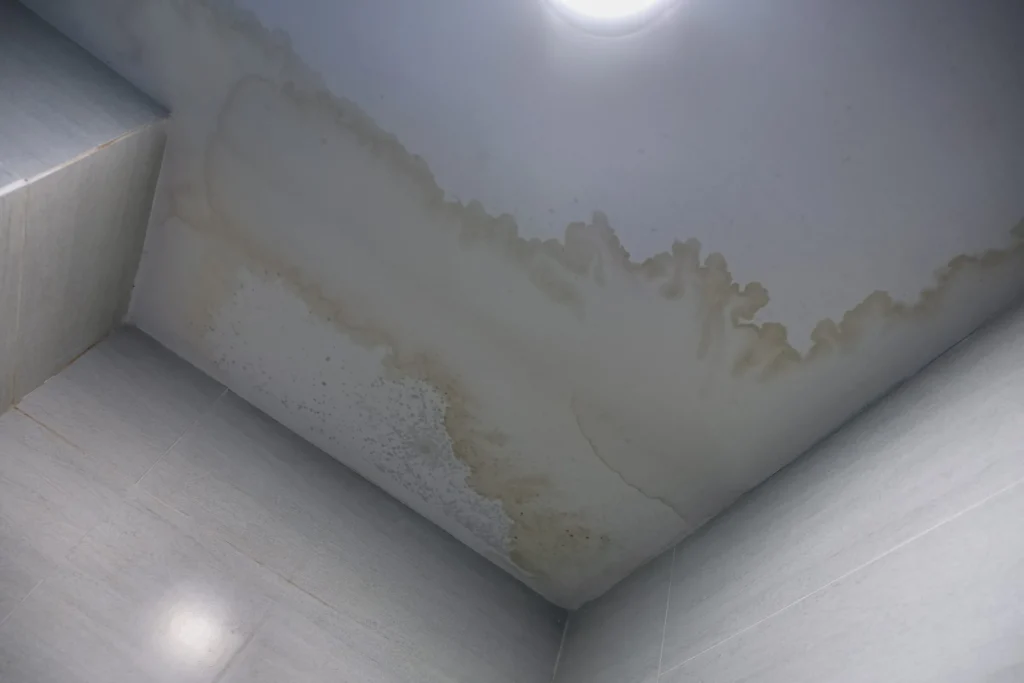
We use professional moisture meters to track the drying progress. Penetrating meters use pins to measure the moisture content deep inside the wood. Non penetrating meters use radio waves to scan for moisture behind tile or drywall. We establish a drying goal based on the moisture readings in a dry part of the house. We do not stop the drying equipment until the affected materials meet this dry standard.
Thermal imaging cameras are another valuable tool. They detect temperature differences caused by evaporation. Wet areas typically show up as cooler spots on the camera screen. This allows us to map the moisture and identify pockets that we might have missed with a visual inspection. It helps us see water that has traveled up a wall or under a cabinet.
The Risks of Incomplete Drying
Stopping the drying process too soon is a recipe for disaster. It is tempting to turn off the noisy fans and dehumidifiers once the standing water is gone. However, the deep moisture in the studs and subfloor takes the longest to release. If you stop drying before these materials reach equilibrium, the moisture will slowly work its way to the surface. This creates a perfect environment for mold to grow on the back of the new drywall or under the new flooring.
Secondary damage can also occur. Hardwood floors that are not dried completely will cup and buckle over time. Vinyl flooring installed over a damp subfloor will bubble. The adhesives used for flooring can fail if the moisture content is too high. You might end up paying to replace your floors twice because the subfloor was not verified dry the first time.
The health risks of incomplete drying are serious. Hidden mold releases mycotoxins into the air. These toxins can cause respiratory issues, headaches, and allergic reactions. You might not see the mold, but your body will react to it. Preventing this long term exposure is the primary goal of professional water restoration.
Why Professional Help Matters
Preventing mold after water intrusion requires more than a shop vacuum and a box fan. It requires a comprehensive understanding of building science and microbial biology. Toro Construction brings the equipment and the expertise needed to handle these complex situations. We have the industrial dehumidifiers that can pull gallons of water out of the air every day. We have the monitoring tools to verify that the job is done right.
We also understand the insurance aspect of water damage. Insurance companies want proof that the home was dried properly to prevent future claims. We provide detailed documentation of the moisture readings and the drying log. This protects you if a problem arises later. We take the liability off your shoulders.
Handling water damage yourself often leads to missed moisture and eventual mold growth. The cost of professional mitigation is far less than the cost of mold remediation. Remediation involves containment, negative air pressure, and the removal of expensive materials. Prevention is always the more cost effective and safer path.
Mold prevention is a race against time. The clock starts ticking the moment water enters your home. You have a limited window to extract the water and dry the structure before mold takes hold. Bentonville homeowners need to be decisive. Recognizing the severity of the situation and calling for professional help immediately is the best way to protect your property. Toro Construction is committed to keeping our community safe and dry. We use advanced techniques and honest communication to guide you through the restoration process. We treat your home with the same care we would treat our own. Do not gamble with the health of your family or the integrity of your home. Contact us at the first sign of water intrusion and let us stop mold before it starts.